


 Bahasa Melayu
 English
 Traditional Chinese
 Japanese
 Filipino
 Bahasa Indonesia
 Afrikaans
 Español
 Simplified Chinese
 Myanmar
 Thai
Thai Tiếng Việt
随着废钢价格持续攀升,钢铁制造商对回收资源的需求日益增长,所有拥有废金属的人都面临着一个关键问题:废金属经过破碎机处理后,如何才能真正卖给钢铁厂呢?
本文将详细介绍整个过程——从产业链和机器的工作原理,到逐步流程和定价机制。
为什么破碎能提高废金属价值
将未经加工的废金属直接卖给回收商,通常每吨能卖到几百到一千多美元。但经过破碎和加工后,同样的废金属价格会高得多。原因如下:
1. 杂质更少,纯度更高
人工拆解或未经处理的废金属几乎总是混杂着塑料、橡胶、油和其他非金属污染物。破碎机可以粉碎这些杂质,而磁选机和涡流分选机等设备则可以同时将有色金属与黑色金属分离,从而显著降低杂质含量。
2. 更高的堆积密度意味着更高效的输送
以汽车车身碎片(ASR)为例:未经处理的废钢的堆积密度约为0.7–1.0吨/立方米。经过破碎和加工后,其密度跃升至1.8–2.2吨/立方米。同一辆卡车可以运输近两倍的货物,从而大幅降低每吨的运输成本。
3. 钢铁厂更青睐高纯度废钢
在炼钢过程中,高杂质废钢会增加能源消耗并产生更多炉渣,从而降低效率并影响最终钢材质量。高纯度碎废钢是大型钢铁生产商的优先采购对象,其价格比未经分拣的废钢高出20%至40%。
结论:破碎并非可有可无,而是释放废金属商业价值的关键步骤。
碎纸机的种类以及如何选择合适的碎纸机
并非所有破碎机都适合处理运往钢铁厂的废料。选择合适的机器直接影响最终产品的质量和售价。
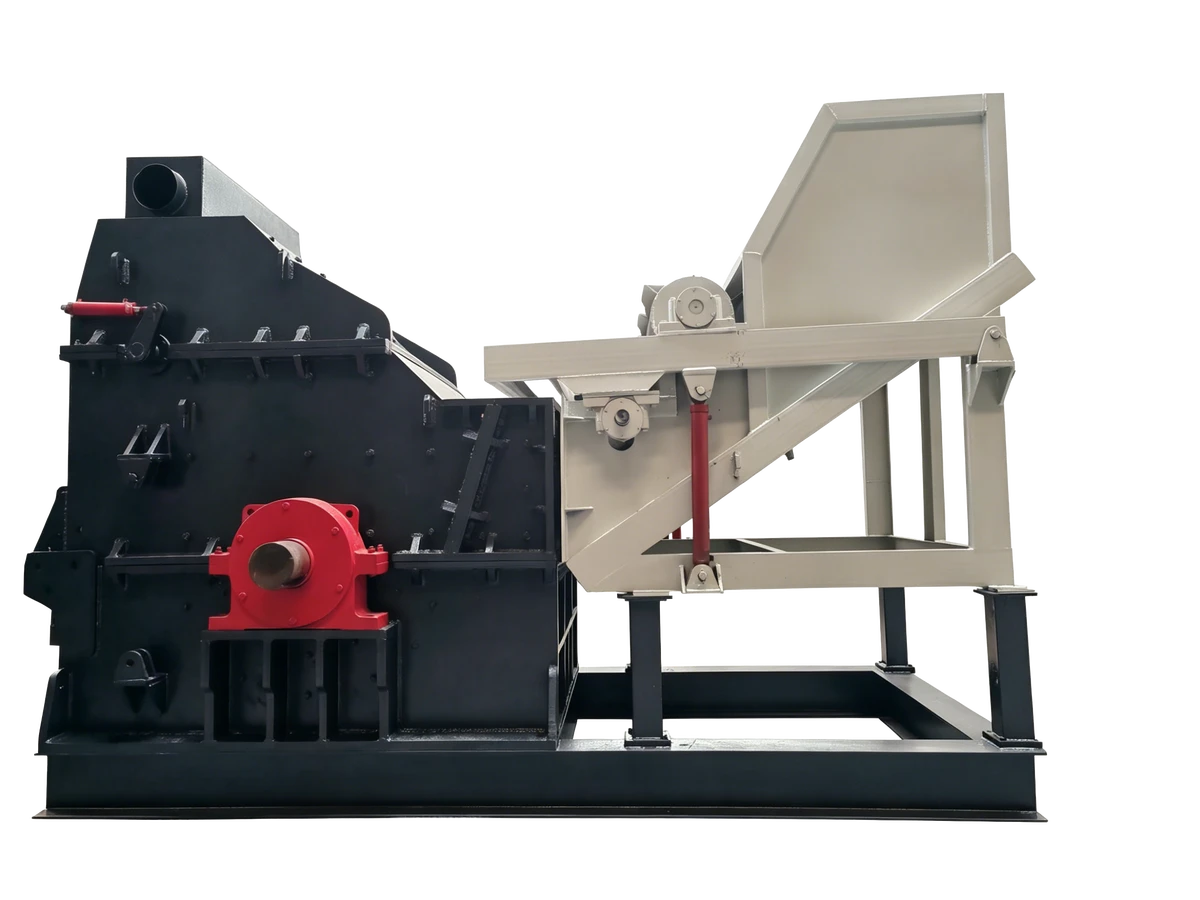
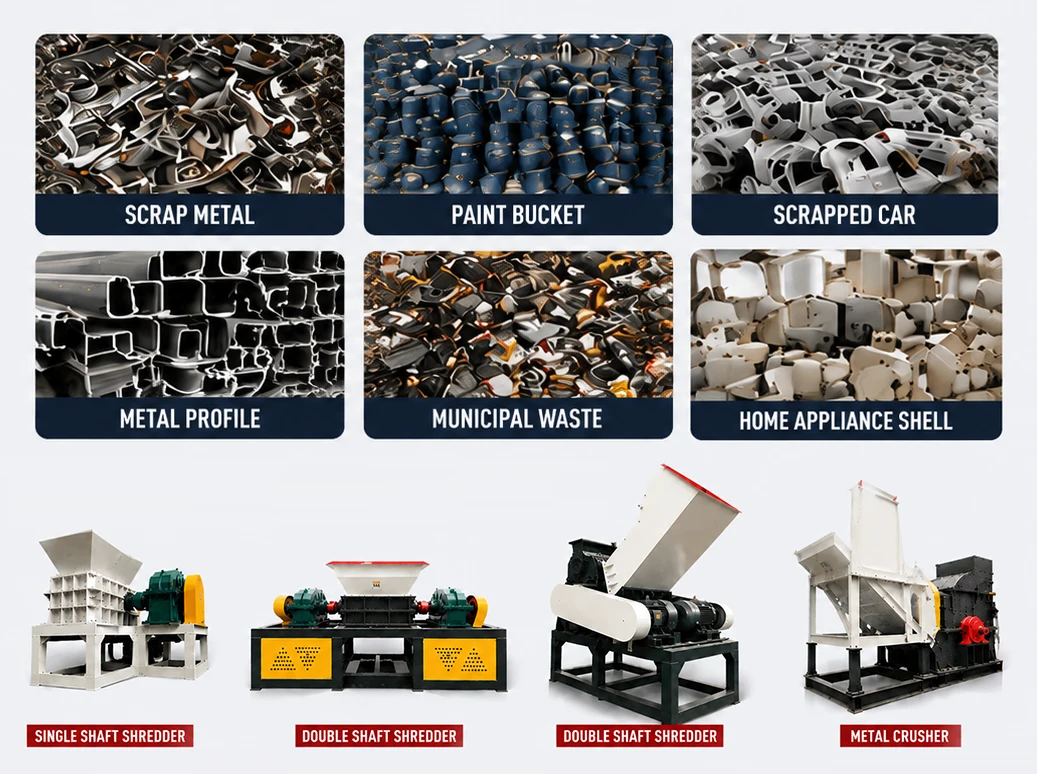
2.1 金属粉碎机(固体废物粉碎机)
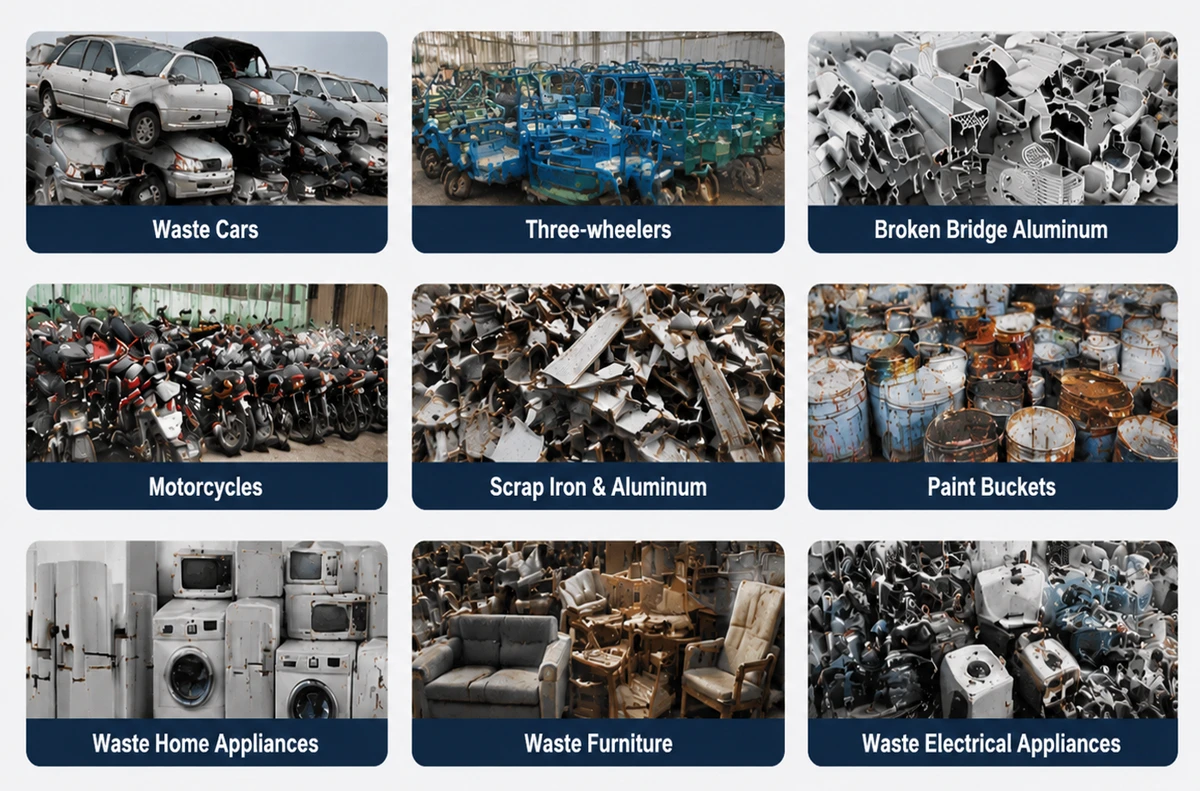
最适合:汽车车身、白色家电、钢材边角料、钢筋混凝土中的钢筋
工作原理:旋转轴撕裂物料;筛网控制输出尺寸
输出:块状或片状金属碎片,通常为 20–150 毫米。
适用于:中大型废料场,日处理量5吨以上
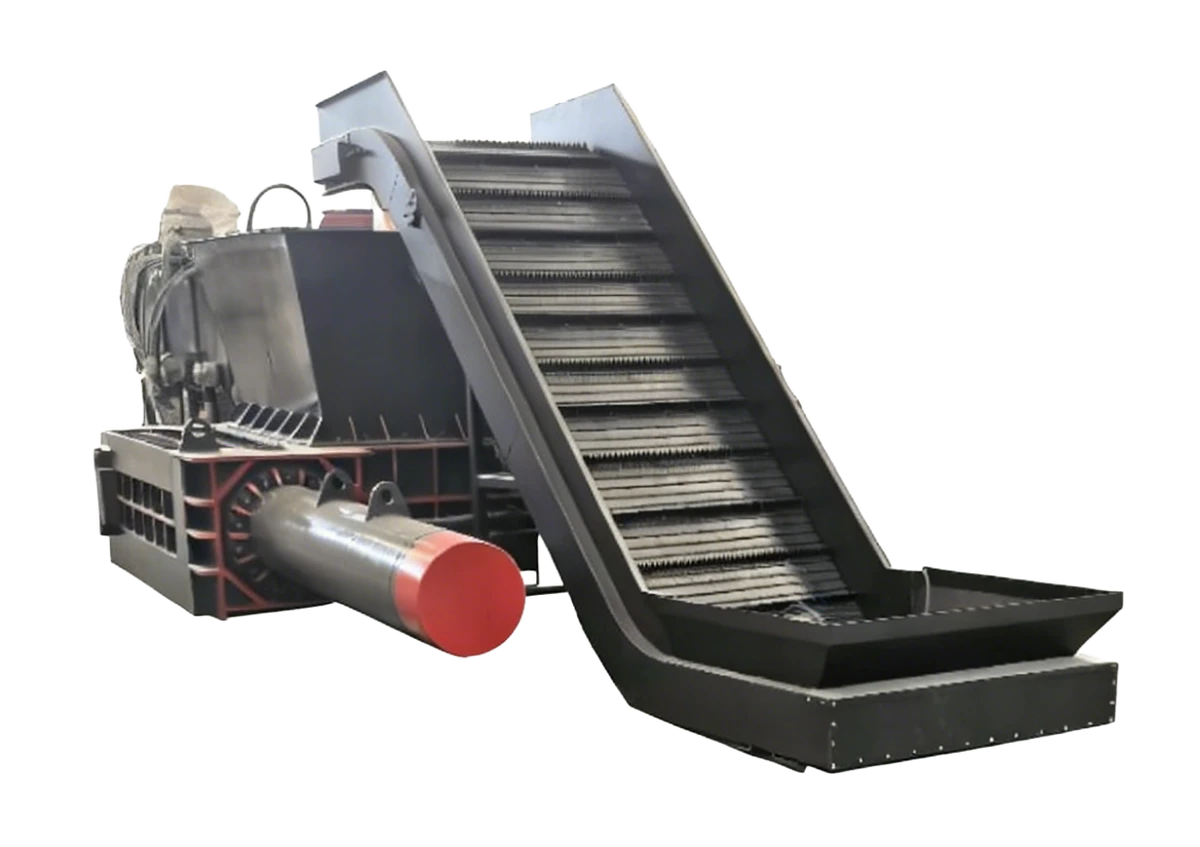
2.2 废料粉碎机(重型废料粉碎机)
最适合:轻型钢材,整车报废(已去除液体和有害物质)
工作原理:高扭矩、低速轴粉碎,实现均匀输出
输出:具有高堆积密度的均匀片状材料
适用于:专门从事废钢加工的企业,直接向钢铁厂销售废钢。
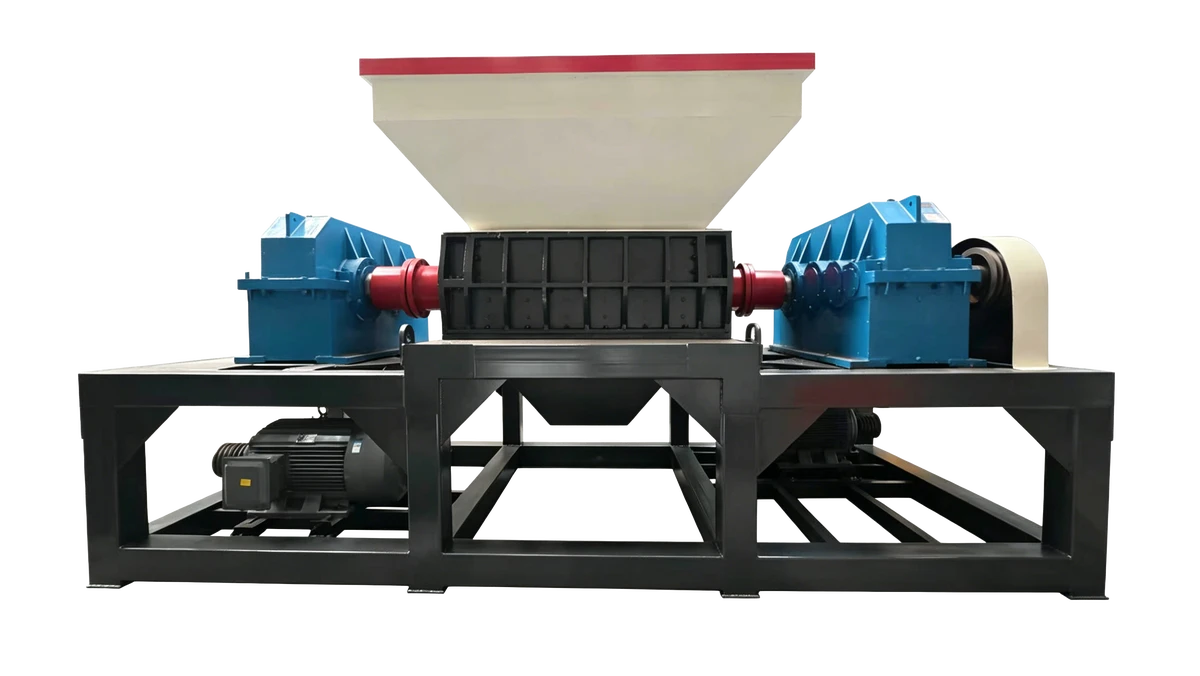
2.3 双轴碎纸机
最适合用于:大型结构金属部件、管道、捆扎钢筋、混合金属废料
工作原理:两根轴反向旋转并剪切;巨大的扭矩可处理超大尺寸的部件。
输出:条带或块状碎片,可能需要二次处理
Ideal for: Demolition scrap, large-bore metal回收
设备选择指南
| 因素 | 建议 |
|——–|—————-|
| 小于 3 吨/天 | 轻型单轴或双轴破碎机;~\(7K–\)投资2万美元 |
| 3-20吨/天 | 主要成分pengisar logam; ~\(28K–\)8.5万美元投资 |
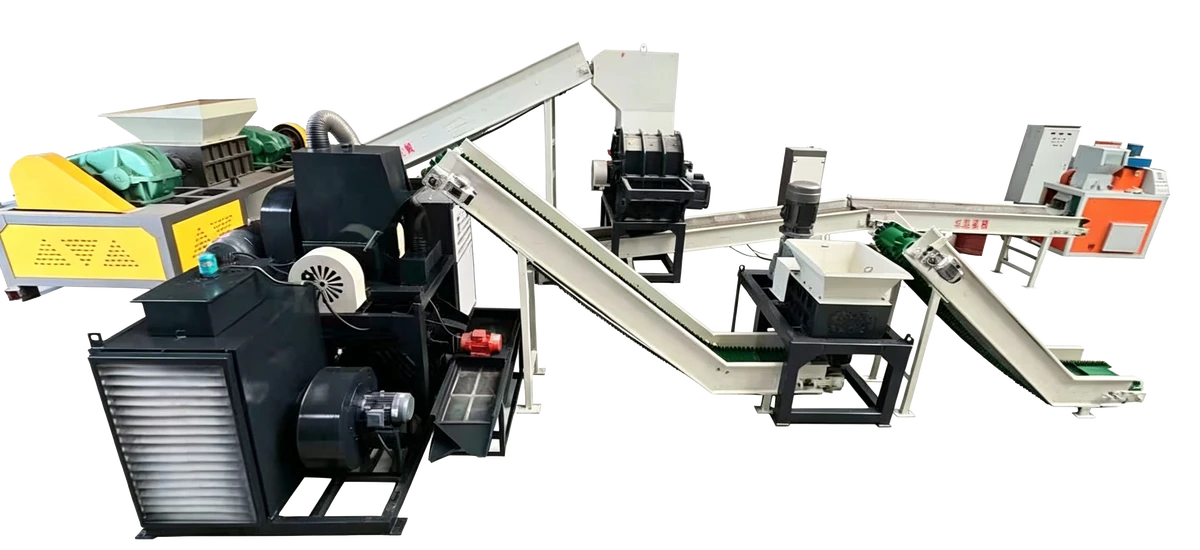
| > 20 吨/天 | 完整的废料破碎生产线,带磁选和分拣;\(140K+ |> Bigger isn't always better. Start small, establish a steady sales channel, then upgrade your line.The Complete Process: Selling Shredded Scrap to Steel MillsThis is the core of the article. Shredding is only step one. Building a reliable transaction chain with a steel mill is what actually determines profitability.Step 1: Understand the Steel Mill's Quality StandardsDifferent mills have varying quality requirements, but the core metrics are consistent across the industry:| Metric | Industry Reference Standard | Notes ||--------|----------------------------|-------|| Size | Length ≤ 300mm, thickness ≥ 3mm | Oversized pieces disrupt charging operations || Non-metallic impurities | < 1.5% | Above this threshold, expect price deductions or rejection || Copper content | < 0.5% (Grade A) ~ < 0.8% (Grade B) | Copper cannot be removed during smelting; high Cu ruins steel properties || Moisture content | < 1% | Excess moisture adds to transport costs and reduces smelting efficiency || Phosphorus & Sulfur | P ≤ 0.05%, S ≤ 0.05% | High-P and high-S steel is substandard; mills either discount heavily or refuse |Pro tip: Before investing in equipment, contact your target mill's procurement department and get their quality standards in writing. Different mills have different specs — aim for the strictest one, and you'll keep the most sales channels open.Step 2: Get Your Legal and Compliance Paperwork in OrderScrap metal recycling touches multiple regulatory areas. Missing paperwork is the #1 reason new operators get shut down.- \*\*Business license:\*\* Registration must include "scrap metal recycling" or "renewable resource recovery" in the business scope- \*\*Renewable resource recovery operator filing:\*\* Filed with the commerce department; available online in most regions- \*\*Environmental impact assessment (EIA):\*\* Shredding operations generate dust and noise; large-scale facilities need a full EIA- \*\*Hazardous waste handling license:\*\* Required if you're processing batteries, oil-contaminated metal, or other regulated materials- \*\*Fire safety inspection:\*\* Metal processing facilities are key fire safety supervision targets; pass local fire department inspection before operations beginStep 3: Find a Reliable Sales ChannelThere are three mainstream ways to connect with steel mills:\*\*Method A: Through a Steel Trader (Spot Cash)\*\*A trader visits, inspects the material, negotiates a price, and pays in cash. Advantages: fast payment, simple logistics. Disadvantage: the middleman takes a 5–15% cut versus selling direct to the mill.\*Best for:\* Newcomers, small volumes, operators with tight cash flow.\*\*Method B: Direct Supply to Steel Mill (Long-Term Contract or Spot)\*\*Sign a supply agreement with the mill; deliver on a monthly or batch basis. Pricing typically references the Shanghai Metals Market (SMM) or MySteel废钢 price index.\*Best for:\* Operators with stable daily supply of 50+ tons, sufficient capital, and some negotiating leverage.\*\*Method C: Online Scrap Trading Platforms\*\*Some steel e-commerce platforms (e.g., Zhaogang.com, Gangyin.com) run scrap metal bidding features. Sellers list material; mills or traders bid.\*Best for:\* Sellers who want better prices but don't yet have an established customer relationship.Step 4: Logistics and Payment- \*\*Transport:\*\* Primarily road freight; 30+ ton loads can use rail containers for lower cost per ton- \*\*Weighing:\*\* Scale calibration is critical. Use a CMC-certified electronic platform scale; always use the mill's official weight as the settlement basis- \*\*Payment terms:\*\* Traders usually pay on the spot. Direct mill supply typically runs 15–30 day payment terms- \*\*Price reference:\*\* Follow the scrap steel channel on MySteel (mysteel.com) or SMM (smm.cn) for daily market dataMarket Update: What Is Shredded Scrap Currently Selling For?Scrap steel is a commodity — prices fluctuate with the broader steel market. As of mid-2026, domestic shredded scrap (6–8mm) is trading in the \*\*\)价格区间为 315 至 410 美元/吨\*\*(约合 2,300 至 3,000 元人民币/吨)。具体价格受以下因素影响:
| 因素 | 价格影响 |
|——–|————-|
| 钢筋价格上涨 | 钢厂购买更多废钢 → 价格上涨 |
铁矿石价格上涨 | 废钢替代效应发挥作用 → 价格上涨 |
| 建筑活动减少 | 废料供应减少,但需求也下降 → 价格走软 |
| 华北冬季减产 | 钢厂减产 → 废钢需求下降 |
| 收紧进口废料政策 | 国内废料需求增加 → 价格上涨 |
实际收入示例:
假设原材料废料(未分类)的采购成本为每吨1500日元。加工成本(电力、人工、设备折旧)约为每吨200日元。物流成本另加每吨100日元。总成本:每吨1800日元。
以每吨2500日元的价格卖给工厂→利润约为每吨700日元。按每天10吨的加工能力计算,每月利润约为154000日元至210000日元(基于22个工作日)。
> 这些只是参考估算值。实际利润取决于材料质量、良率、市场时机和运营效率。
需要关注的关键风险
风险1:原材料质量不稳定
不同批次的废金属成分差异很大。铜和铝的污染会降低最终产品的等级。建立一套预破碎分拣流程可以有效减少这种情况的发生。
风险二:设备投资回收期长
一套完整的金属破碎分拣生产线造价在35万日元至140万日元以上。如果原材料供应不稳定或市场低迷,设备闲置会显著延长投资回收期。建议从小规模起步,验证销售渠道后再逐步扩大规模。
风险三:监管和政策风险
部分地区正在收紧废金属回收作业的环境要求,某些工业园区现在要求企业现场遵守相关规定。政策变化可能会影响您的场地租赁、许可证或执照续期。请密切关注当地法规的最新动态。
风险四:支付条款带来的现金流压力
工厂直接供货通常采用15-30天的付款周期,而原材料供应商往往要求预付款。这种资金缺口会给营运资金带来相当大的压力。因此,必须保持充足的现金储备,以确保生产能够顺利度过结算周期。
总结与要点
向钢铁厂出售碎金属是一项行之有效的盈利业务——但成功的关键不在于拥有最先进的设备,而在于:
1.选择适合您材料的设备:根据您的具体原料选择合适的粉碎机类型和容量
2.必须熟知标准:在开始生产之前,务必了解目标工厂的质量规格。
3.首先要遵守规定:许可证、环境许可和消防安全证明是合法运营的基础。
4.生产能力之前的销售渠道:先确保客户来源,然后再投资设备来满足他们的需求。
5.关注市场动态:废钢价格随大宗商品周期波动——请每日关注SMM和MySteel。
常见问题解答
问题1:个人能否购买废料破碎机并直接将废料出售给钢铁厂?
理论上可以,但实际上存在诸多障碍:许可证要求、资金压力(设备+原材料+付款条件)以及工厂对供应商规模的最低要求。大多数新手都是先从贸易商做起——从收藏家手中收购,再转售给工厂或大型贸易商——积累经验和人脉,然后再投资建设加工生产线。
Q2:更细的碎屑是否意味着更好的效果?
不。过度粉碎的金属粉末实际上会降低堆积密度,细小的颗粒在装炉过程中容易因粉尘和风力而损失。磨机通常要求物料为20-150毫米的片状。均匀性比细度更重要。
Q3:整车粉碎与预拆解——哪种方式更有利可图?
首先进行拆解。在破碎车身之前,请移除电池、液体和软塑料。整车破碎速度更快,但会产生非金属含量高且铜含量难以控制的材料,这些材料在废料厂会受到处罚。
Q4:碎纸机消耗多少电量?
以一台月处理量 500 吨的金属破碎机为例:额定功率通常为 200-400 千瓦。实际运行耗电量约为额定功率的 60-80%,换算成电费约为每吨 80 元至 150 元(取决于当地电价)。
Bagaimana menjual pemecah sampah besi kepada pabrik baja? Panduan operasi penuh dan analisis industri
执行摘要
本文概要,请稍候……
Tinggalkan komen
Kami suka mendengar pendapat anda! Sila berikan komen anda di bawah ini.
Belum ada komen. Jadi orang pertama yang berbagi pendapat anda!