Driven by global carbon neutrality goals and tight resource supplies, the scrap metal recycling industry is facing unprecedented opportunities for development. By 2026, as environmental policies intensify, circular economy concepts gain widespread acceptance, and digital technologies rapidly permeate the sector, the scrap metal recycling market is characterized by both rapid growth and profound transformation.
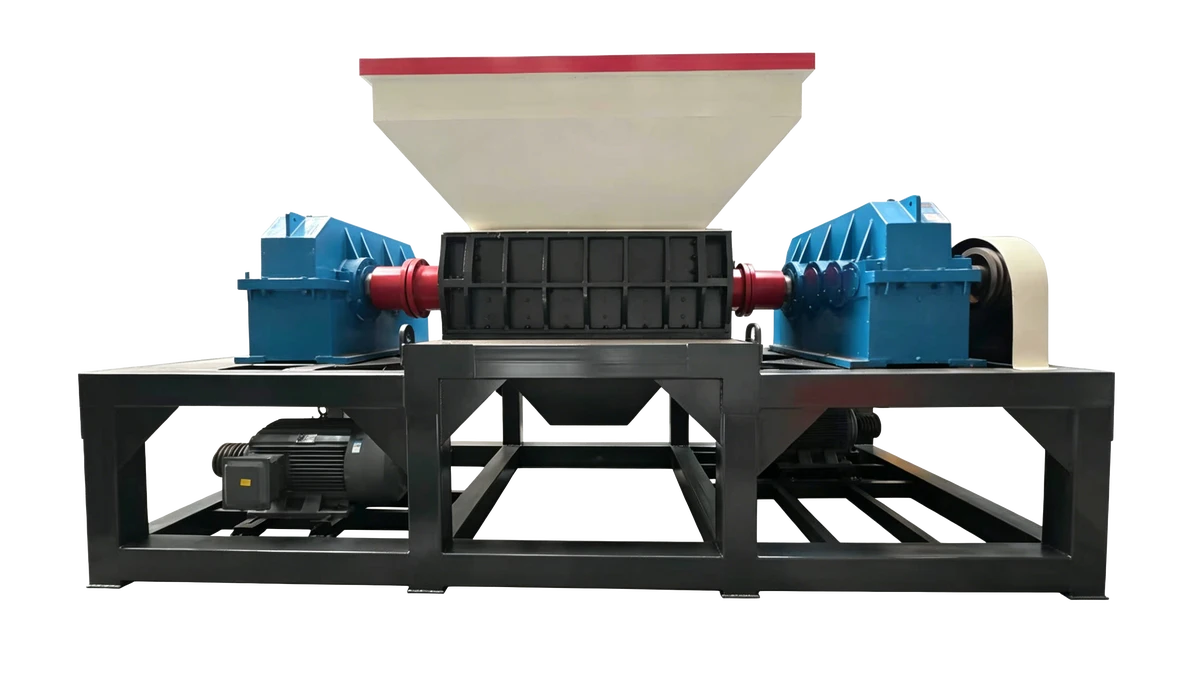
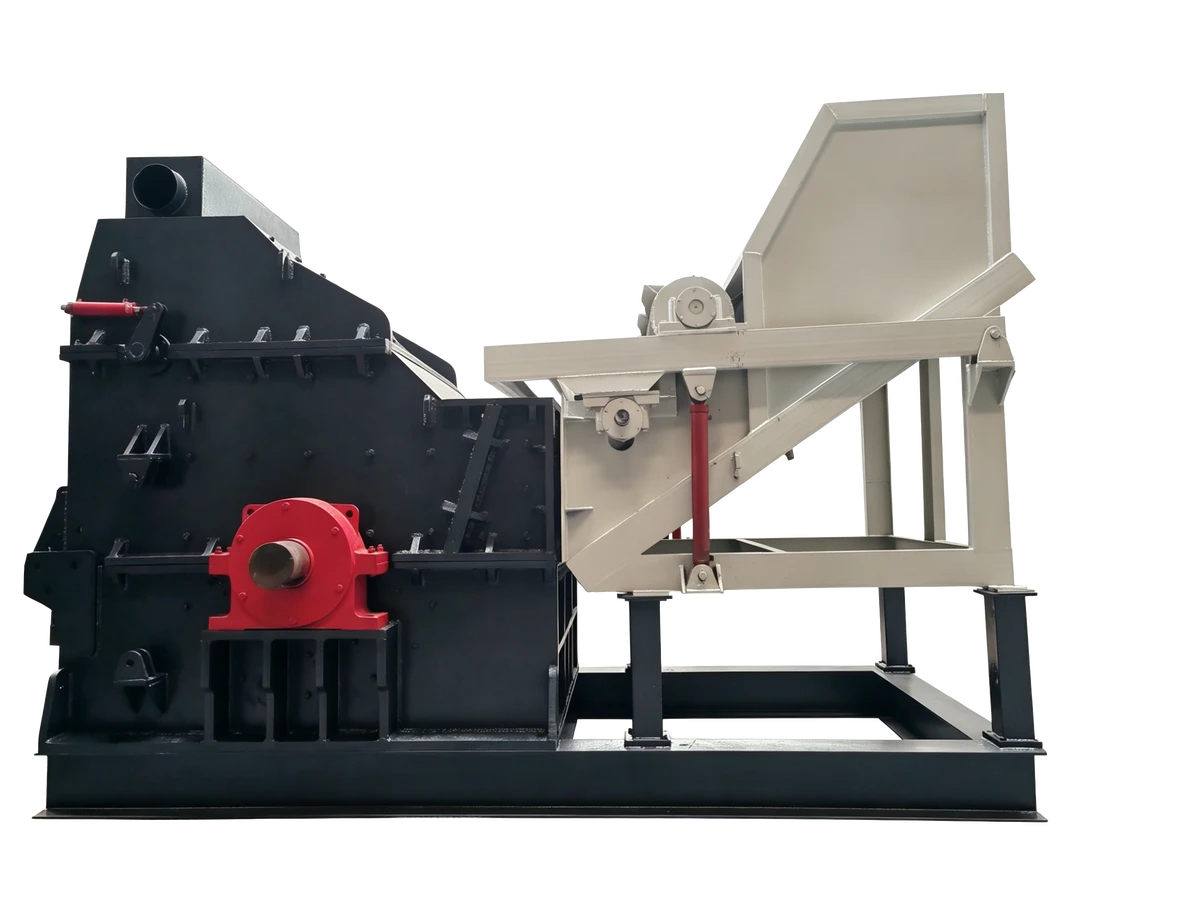
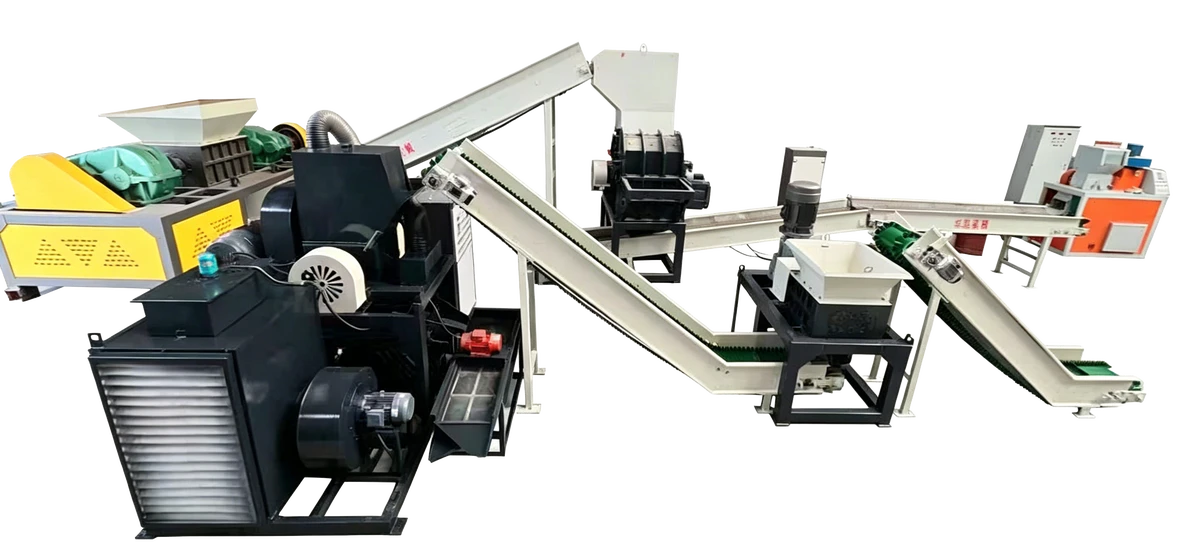
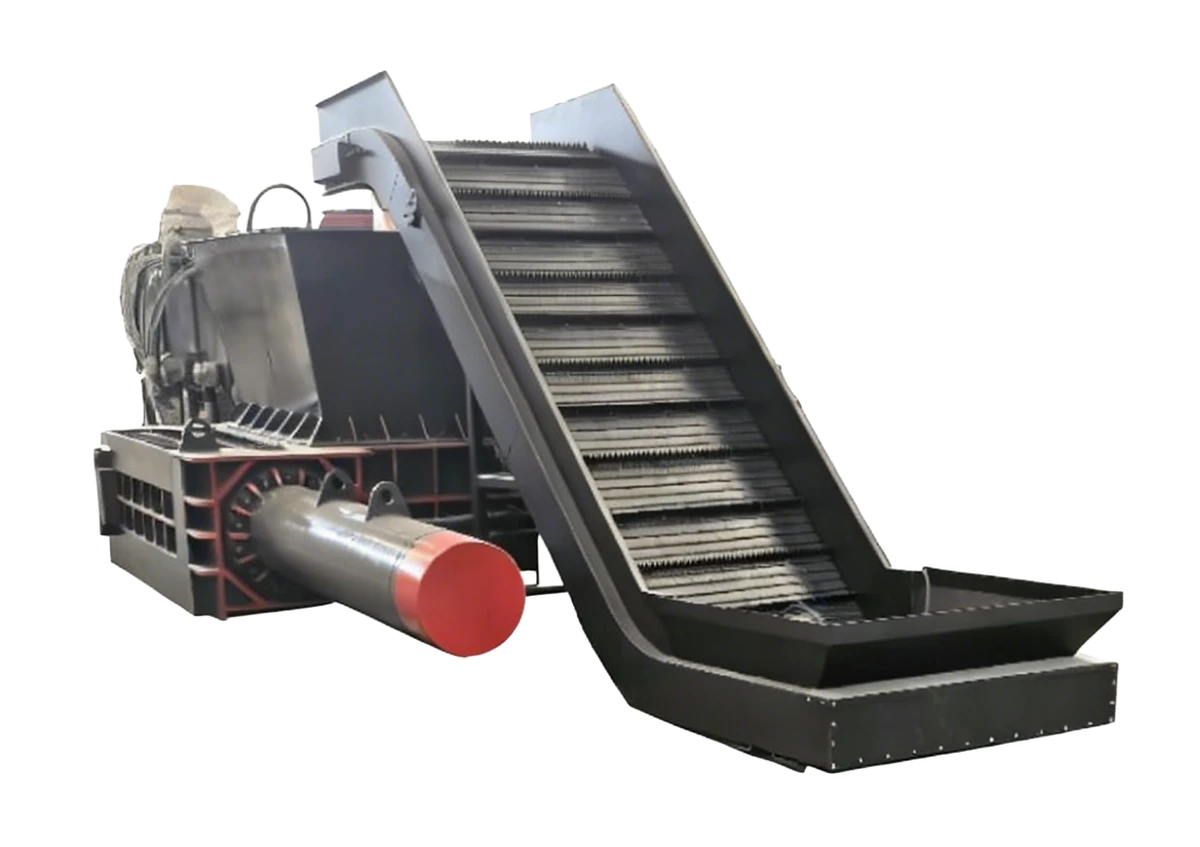
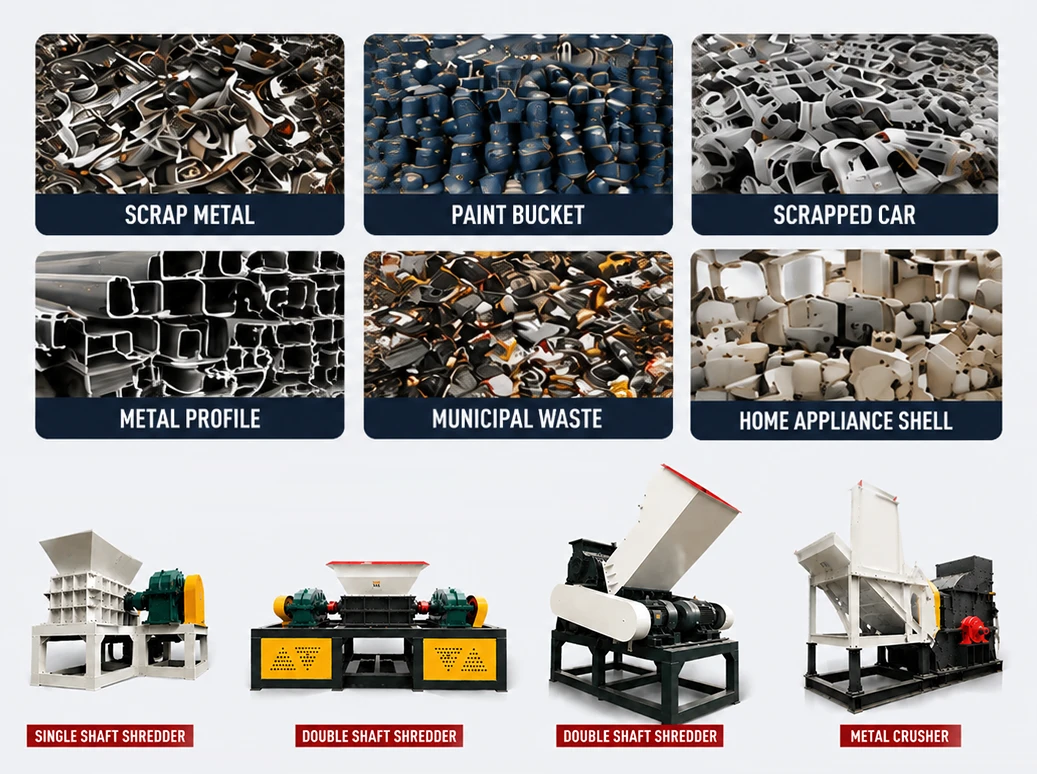
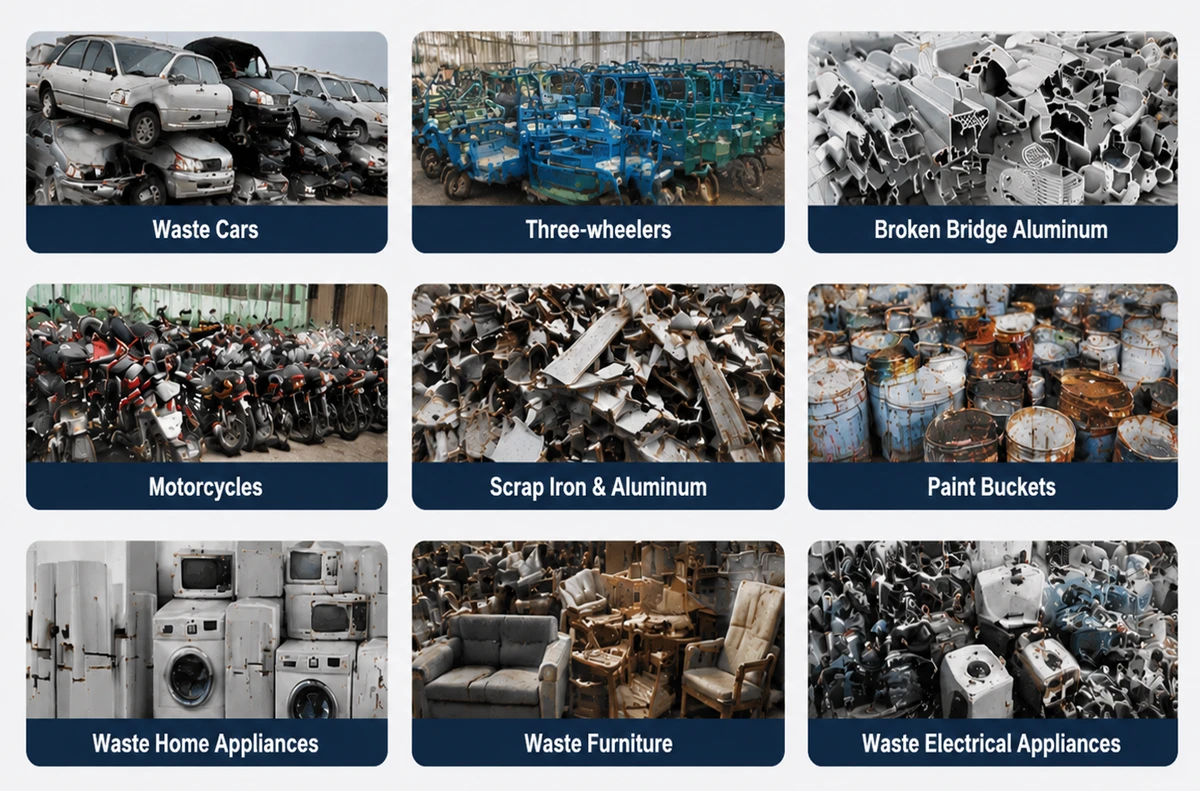
Accurately grasping these trends is crucial for industry practitioners and equipment suppliers alike. This article provides a comprehensive analysis of the industry's development trends in 2026 across four dimensions: market size, policy environment, technological innovation, and industry landscape.</h3><h2>1. Continued Expansion of Market Size</h2><p>1. Steady Growth in the Global Scrap Steel Market: Industry research institutions forecast that global scrap steel recycling volume will exceed 700 million tons by 2026, with a market value surpassing $300 billion. The Asia-Pacific region remains the largest hub for scrap steel production and consumption, accounting for over 60% of the global total. Emerging markets, such as India and Southeast Asia, are experiencing particularly rapid growth in scrap steel demand, fueled by ongoing infrastructure development.</p><p>2. Highlighting the Value of Non-Ferrous Metal Recycling: Prices for non-ferrous metals like copper and aluminum remain high, driving rapid growth in the non-ferrous recycling sector. In particular, the explosive growth of the new energy vehicle (NEV) industry has triggered a surge in demand for the recycling of power batteries and aluminum profiles. Global scrap aluminum recycling volume is projected to exceed 40 million tons by 2027, making it the second-largest category of recycled scrap metal after scrap steel.</p><p>3. The Leading Role of the Chinese Market: As the world's largest producer and consumer of steel, China's efforts to increase its scrap steel recycling and utilization rates have a profound impact on the global market. China's scrap steel ratio (the proportion of scrap steel used in crude steel production) is expected to reach 25–30% by 2025—a significant increase from 2020 levels—which will directly drive demand for scrap steel shredding and sorting equipment.</p><h2>2. Policy Environment Accelerating Industrial Upgrading</h2><p>1. Impact of the EU Carbon Border Adjustment Mechanism (CBAM): The implementation of CBAM creates trade barriers for high-carbon steel products, compelling steel enterprises to increase their utilization of scrap steel. As a low-carbon raw material, the demand for scrap steel is rising significantly in the European market. This creates new market opportunities for the export of Chinese scrap steel processing equipment—such as metal crushers and shredders—to Europe.</p><p>2. Extended Producer Responsibility (EPR) Systems Across Nations. An increasing number of countries are implementing EPR systems, requiring manufacturers to take responsibility for the entire lifecycle of their products, including post-consumer recycling and disposal. This has driven the establishment of standardized recycling systems for home appliances, automobiles, and electronics, creating stable market demand for specialized scrap metal recycling equipment.</p><p>3. Industrial Policies Under China’s "Dual Carbon" Goals. China has set targets to peak carbon emissions by 2030 and achieve carbon neutrality by 2060, with the steel industry identified as a key sector for emissions reduction. Increasing the utilization rate of scrap steel is one of the most effective ways to lower carbon emissions in the steel industry. Policies encouraging the construction of scrap steel processing and distribution centers, along with support for advanced crushing and sorting equipment, are generating policy dividends for equipment manufacturers and recycling enterprises.</p><h2>3. Technological Innovation Driving Efficiency Gains</h2><p>1. Intelligent Upgrades for Crushing and Shredding Equipment. New-generation metal crushers and shredders are increasingly equipped with IoT sensor systems and cloud-based management platforms. Through big data analysis, these systems optimize operational parameters, enable predictive maintenance and remote fault diagnosis, and boost overall equipment efficiency by 15–20%.</p><p>2. End-to-End Digital Management. Comprehensive digital management—covering everything from raw material intake and crushing/sorting to the dispatch of finished products—has become standard practice for large-scale recycling enterprises. ERP systems integrate modules for weighbridges, quality inspection, inventory, and finance; SAP systems track material flows in real-time; and blockchain technology ensures the traceability and reliability of recycled materials.</p><h2>4. Reshaping the Industry Landscape</h2><p>1. Increased Industry Concentration. The scrap metal recycling industry is shifting from a traditional landscape characterized by small, scattered, and inefficient operations toward large-scale, intensive development. Leading enterprises are expanding their market share through mergers and acquisitions and by building large-scale scrap steel processing and distribution centers. These centers have a strong demand for efficient, reliable crushing and shredding equipment, alongside increasingly high standards for equipment quality and service capabilities.</p><p>2. Accelerated Domestic Substitution of Equipment. In the sector of metal crushers and shredders, the technical capabilities of Chinese manufacturers have improved significantly. Domestic equipment manufacturers, exemplified by Huazhi Machinery, are achieving continuous breakthroughs in core component materials, processing techniques, and control systems. Their products rival or match advanced international standards while offering a distinct price-performance advantage.</p><p>3. Preference for One-Stop Solutions: An increasing number of recycling enterprises are opting for suppliers that offer integrated "shredding-sorting-dust removal" solutions to minimize system integration risks. Equipment manufacturers are also transforming from simple equipment vendors into comprehensive service providers offering a combination of "equipment, services, and digital platforms."</p><h2>5. Recommendations for Equipment Procurement</h2><p>1. Focus on Total Lifecycle Cost: When selecting shredding or crushing equipment, evaluate the purchase price, energy consumption, wear-part usage, and maintenance costs holistically. Equipment offering the best value for money is the optimal choice.</p><p>2. Prioritize Technical Support and Spare Parts Availability: Select suppliers with robust after-sales networks and service capabilities to ensure timely technical support and spare parts supply throughout the equipment's lifecycle. Huazhi Machinery provides lifetime free maintenance services to every customer, ensuring peace of mind.</p><p>3. Consider Technological Future-Proofing: Amid rapid technological evolution, choosing equipment platforms with modular designs and upgrade capabilities facilitates future technical retrofitting and capacity expansion based on production needs.<br></p><h4>The global scrap metal recycling industry in 2026 stands at the threshold of a new phase of growth and technological transformation. Stricter environmental regulations are creating vast market opportunities, technological innovation is driving efficiency gains, and industry consolidation is opening doors for high-quality enterprises. Whether they are recycling companies or equipment manufacturers, only those who keep pace with industry trends and pursue continuous innovation can gain a competitive edge in this green transformation. Huazhi Machinery remains committed to the metal shredding and recycling equipment sector, supporting the development of the global circular economy through high-quality products and services.</h4>



 English
 繁体中文
繁体中文 Bahasa Melayu
 Japanese
 Filipino
 Bahasa Indonesia
 Afrikaans
 Español
 简体中文
简体中文 Burmese
 Thai
Thai Tiếng Việt
No comments yet. Be the first to share your thoughts!