


 English
 繁体中文
繁体中文 Bahasa Melayu
 Japanese
 Filipino
 Bahasa Indonesia
 Afrikaans
 Español
 简体中文
简体中文 Burmese
 Thai
Thai Tiếng Việt
What Materials and Industries Can a Metal Crusher Handle?
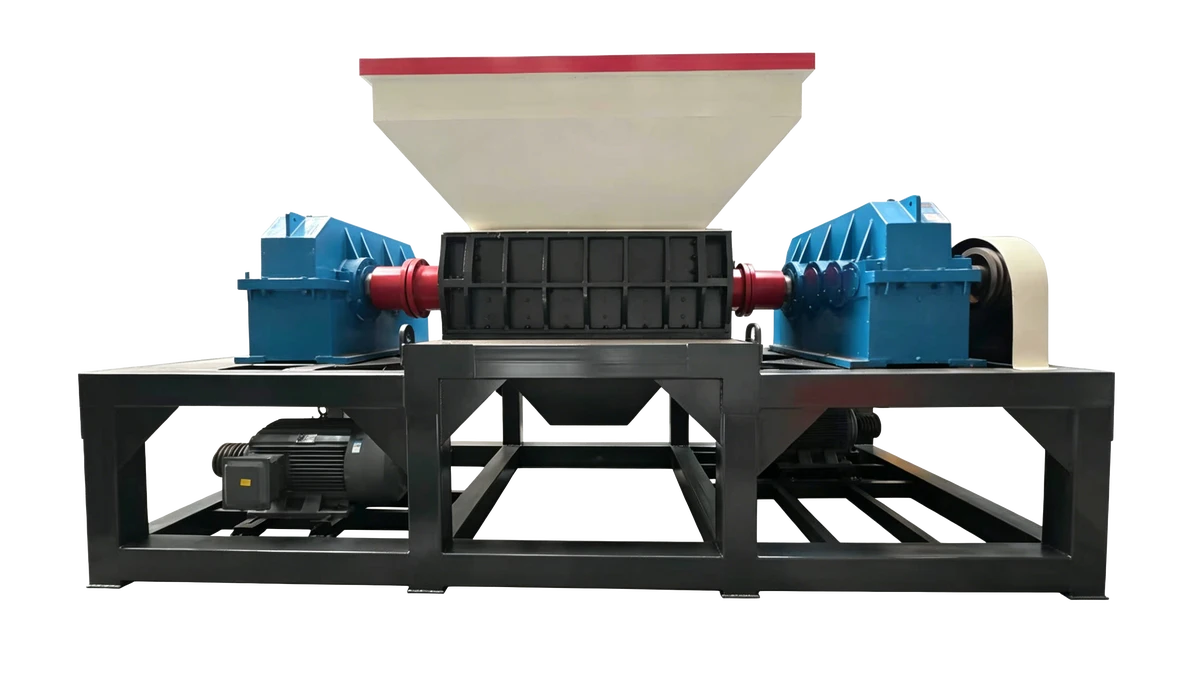
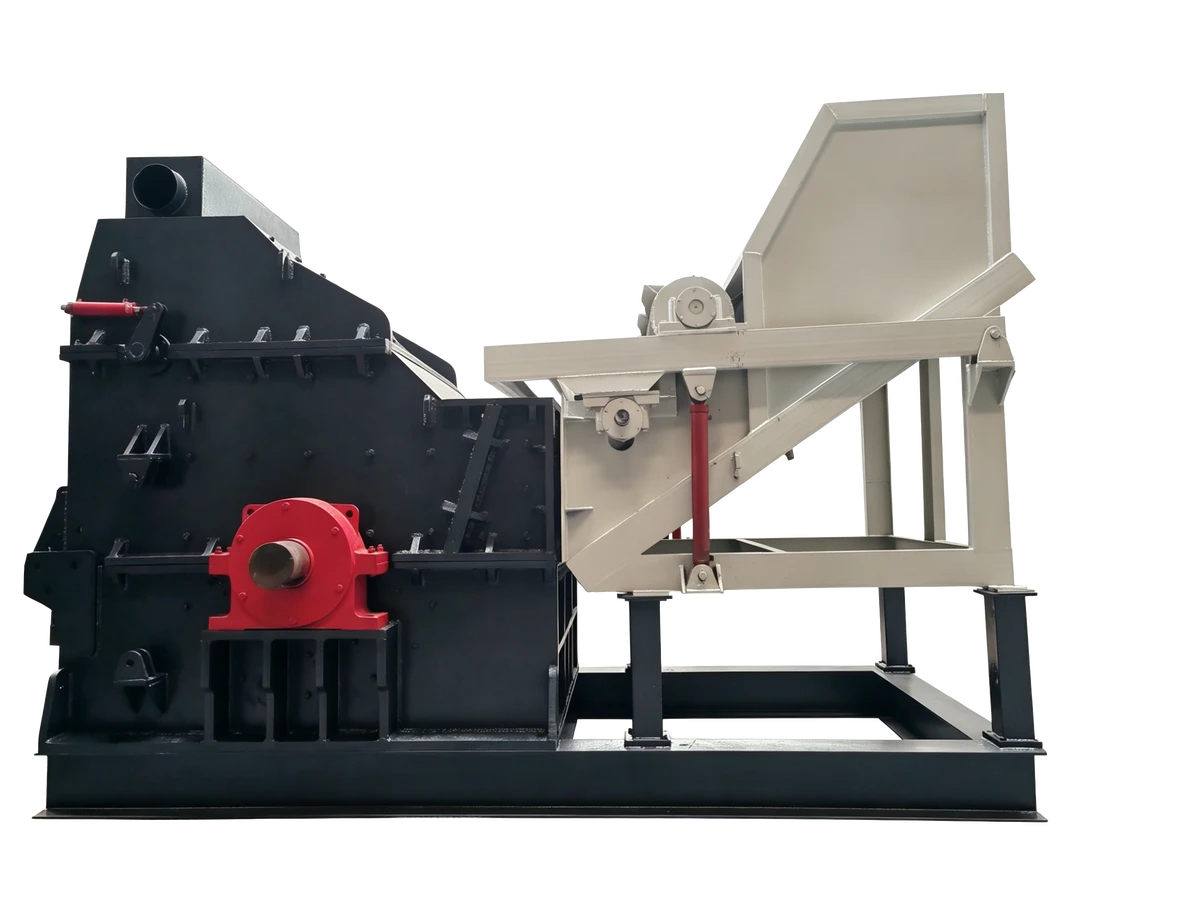
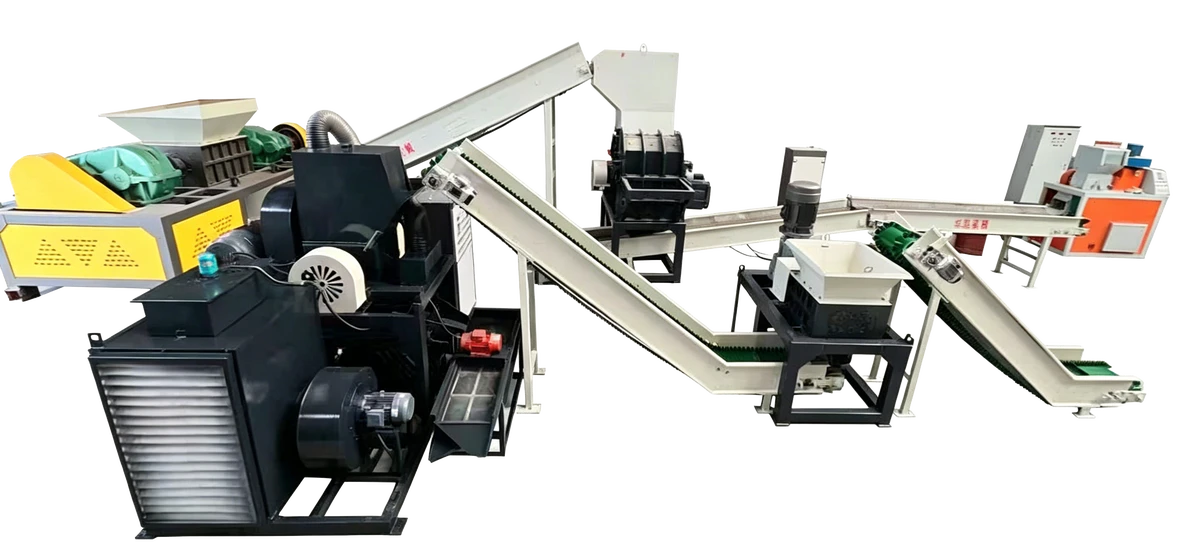
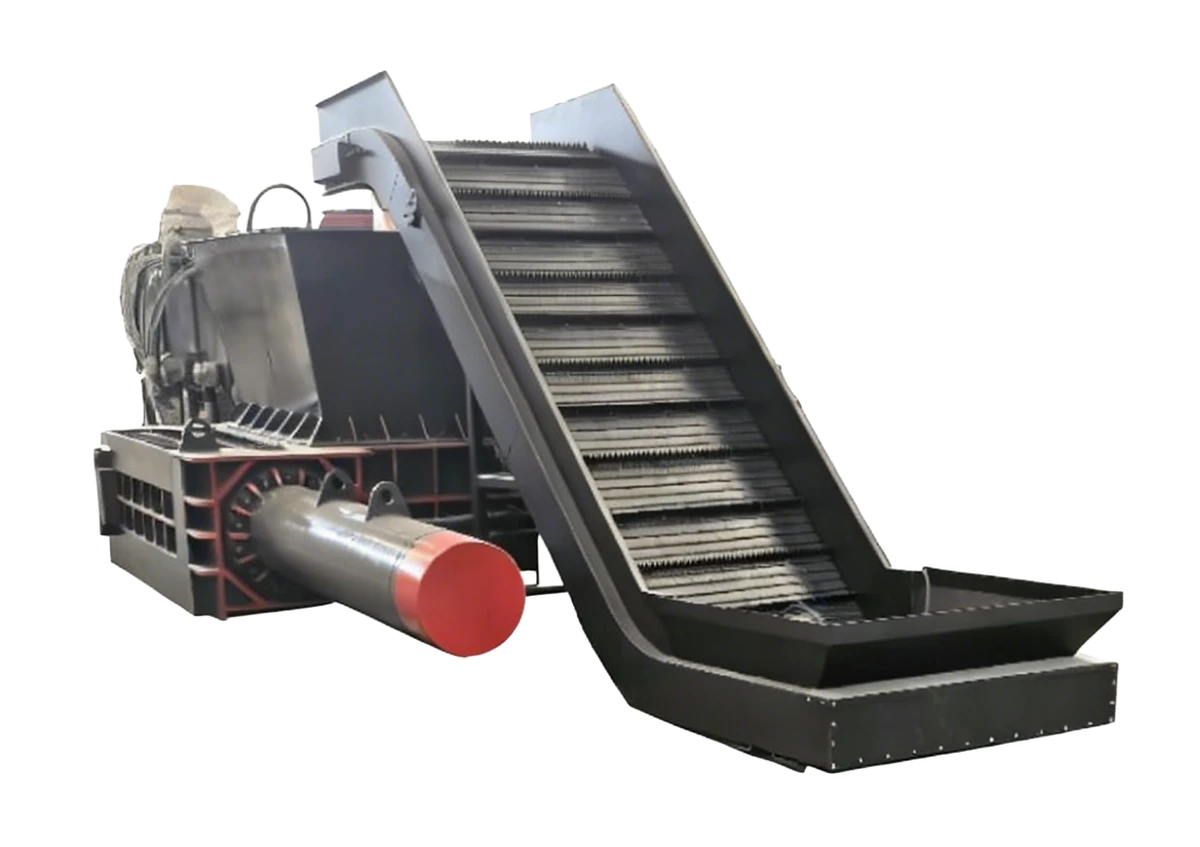
A Comprehensive Guide Metal crushers, also known as metal shredders, are powerful industrial machines designed to break down scrap metal into smaller, manageable pieces for recycling or further processing. Understanding what materials and industries these machines serve is crucial for anyone considering investing in metal recycling equipment.
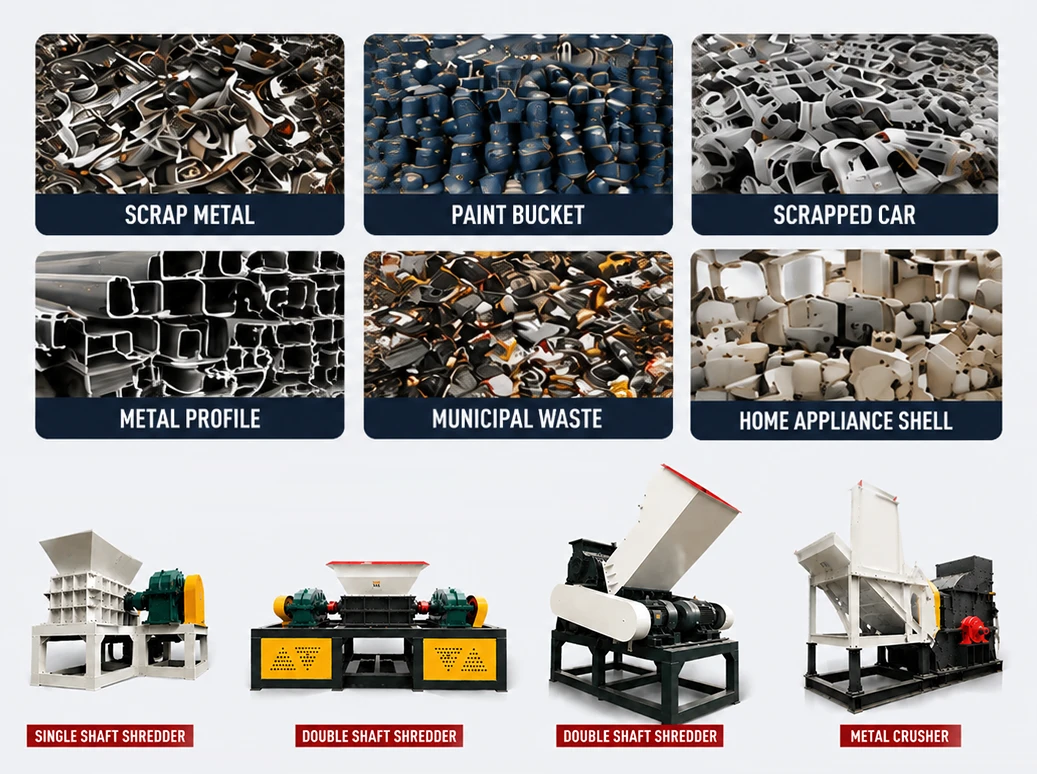
What Materials Can a Metal Crusher Process?
1. Ferrous Metals
Steel scrap: Old steel beams, pipes, rebar, and structural steel
Cast iron: Engine blocks, pipes, and machinery bases
Sheet metal: Automotive body panels, appliance casings, and industrial sheeting
Steel drums: 55-gallon drums and industrial containers
2. Non-Ferrous Metals
Aluminum: Window frames, cans, engine components, and siding
Copper: Wires, pipes, radiators, and electrical components
Brass: Valves, fittings, and plumbing fixtures
Zinc: Die-cast parts and roofing materials
Stainless steel: Kitchen equipment, chemical tanks, and architectural elements
3. Mixed Scrap Metal
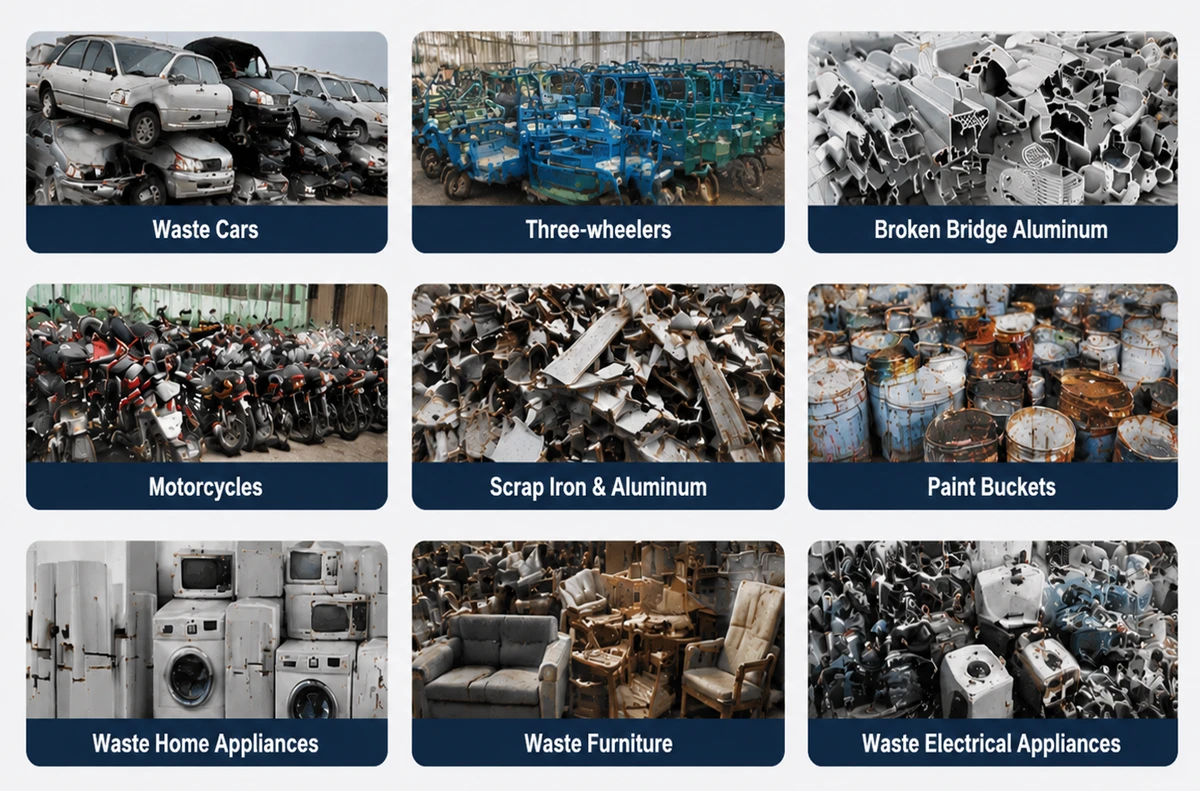
End-of-life vehicles (ELVs) after depollution
White goods (refrigerators, washing machines, dryers)
Industrial machinery and equipment
Construction and demolition scrap
4. Specialized Materials
Electronic waste (e-waste): Circuit boards, computer casings, and telecom equipment
Cable scrap: Copper and aluminum cables with insulation
Radiators: Copper-aluminum radiators from vehicles and AC units
Metal sludge: Industrial metal waste in compressed form
Key Industries That Use Metal Crushers
1. Metal Recycling Industry The primary user of metal crushers. Recycling facilities process everything from household scrap to industrial metal waste, turning it into valuable raw materials for smelters and foundries.
2. Automotive Dismantling & Recycling End-of-life vehicles contain vast amounts of recyclable metal. After removing fluids and hazardous components, the vehicle shell is crushed and shredded to separate ferrous and non-ferrous metals.
3. Construction & Demolition (C&D) Recycling Construction sites generate massive amounts of metal waste — rebar, structural steel, copper wiring, and aluminum framing. Mobile metal crushers are often used on-site to process this material.
4. Appliance & White Goods Recycling Old refrigerators, washing machines, dryers, and air conditioners are rich sources of steel, copper, and aluminum. Metal crushers efficiently process these bulky items.
5. Shipbreaking & Maritime Recycling Decommissioned ships contain thousands of tons of steel and other metals. Metal crushers process the scrap after the ship is dismantled.
6. Manufacturing & Industrial Processing Manufacturing plants generate scrap metal during production — stamping scrap, machining chips, defective parts, and off-cuts. On-site metal crushers help manufacturers recover value from their waste.
7. Electronic Waste Recycling With the growing volume of e-waste, metal crushers play a key role in recovering valuable metals from obsolete electronics, computers, and telecommunications equipment.
8. Municipal Solid Waste Processing Many waste-to-energy and material recovery facilities use metal crushers to extract and process recyclable metals from municipal waste streams. ## Benefits of Using a Metal Crusher
Volume reduction: Reduce scrap metal volume by up to 80-90%, lowering transportation costs
Higher scrap value: Processed, clean scrap commands higher prices from mills and foundries
Efficient sorting: Crushed materials are easier to separate by type using magnetic and eddy current separators
Environmental impact: Recycling metal using crushed scrap consumes up to 95% less energy than producing new metal from ore
Space saving: Compacted scrap takes up significantly less storage space
Choosing the Right Metal Crusher When selecting a metal crusher for your operation, consider:
Feed material type and size: What materials will you process most?
Output size requirements: How fine do you need the material crushed?
Processing capacity: How many tons per hour do you need?
Power consumption: Balance efficiency with operating costs
Maintenance requirements: Look for machines with easy access to wear parts
No comments yet. Be the first to share your thoughts!