


 English
 繁体中文
繁体中文 Bahasa Melayu
 Japanese
 Filipino
 Bahasa Indonesia
 Afrikaans
 Español
 简体中文
简体中文 Burmese
 Thai
Thai Tiếng Việt
Introduction
Southeast Asia generates approximately 3 million metric tons of end-of-life tires (ELTs) every year — and that number is growing at 3–4% annually. With landfill restrictions tightening and steel scrap prices climbing, the region is rapidly becoming one of the world’s most attractive markets for tire recycling investment.
Countries like Thailand, Vietnam, Malaysia, and Indonesia are not only recycling their own tire waste but also importing ELTs from neighboring countries and beyond. For entrepreneurs and industrial investors, this represents a rare window of opportunity.
This article breaks down the market landscape, regulatory environment, profit potential, and the right equipment to get started.
The Market at a Glance
Southeast Asia’s tire recycling industry is driven by three converging forces:
- Surging scrap tire generation Motorization is accelerating across the region. Vietnam alone added over 700,000 cars in 2023, and Indonesia has over 140 million registered motorcycles. Every one of these vehicles eventually produces ELTs.
- Rubber powder price momentum Cryogenic rubber powder — the end product of tire recycling — commands prices of USD 300–700 per ton depending on mesh size. Fine rubber powder (80 mesh+) used in asphalt, sports flooring, and new tires sells at the premium end.
- Government push for circular economy
| Country | Key Policy | Impact |
|---|---|---|
| Thailand | Thailand 4.0 / BCG Economy Model | Waste tires classified as priority recyclable |
| Vietnam | Circular Economy Development Plan 2025 | Targets 50% waste recycling rate by 2030 |
| Indonesia | Minister of Environment Regulation 6⁄2021 | Mandatory EPR for tire manufacturers |
| Malaysia | Zero Waste Malaysia Framework | ELTs excluded from landfills since 2021 |
How Are ELTs Processed?
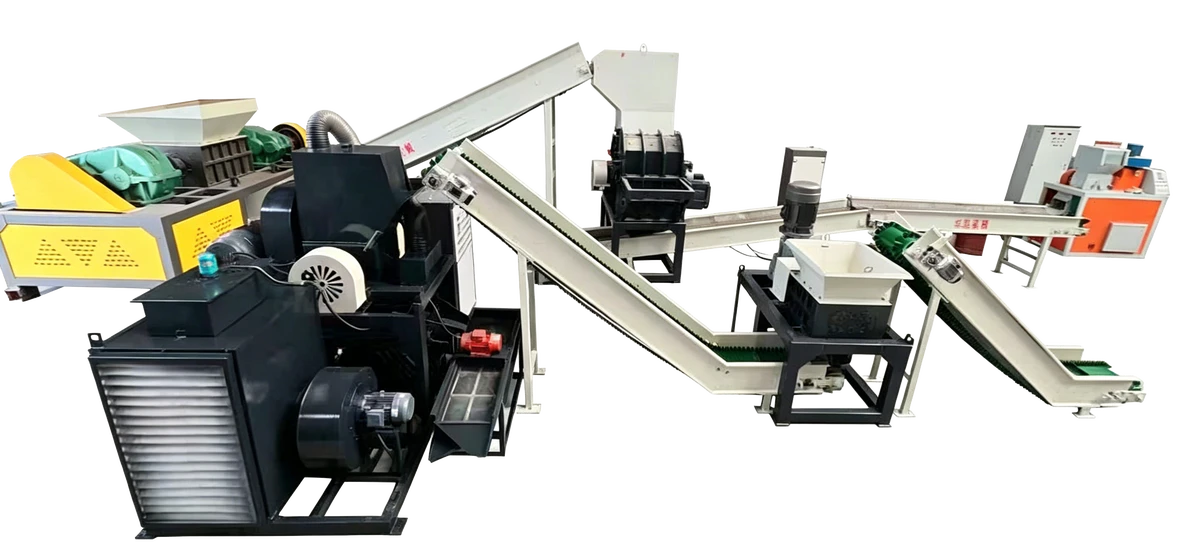
The typical processing chain for waste tires in Southeast Asia follows this path:
Stage 1 — Tire Shredding
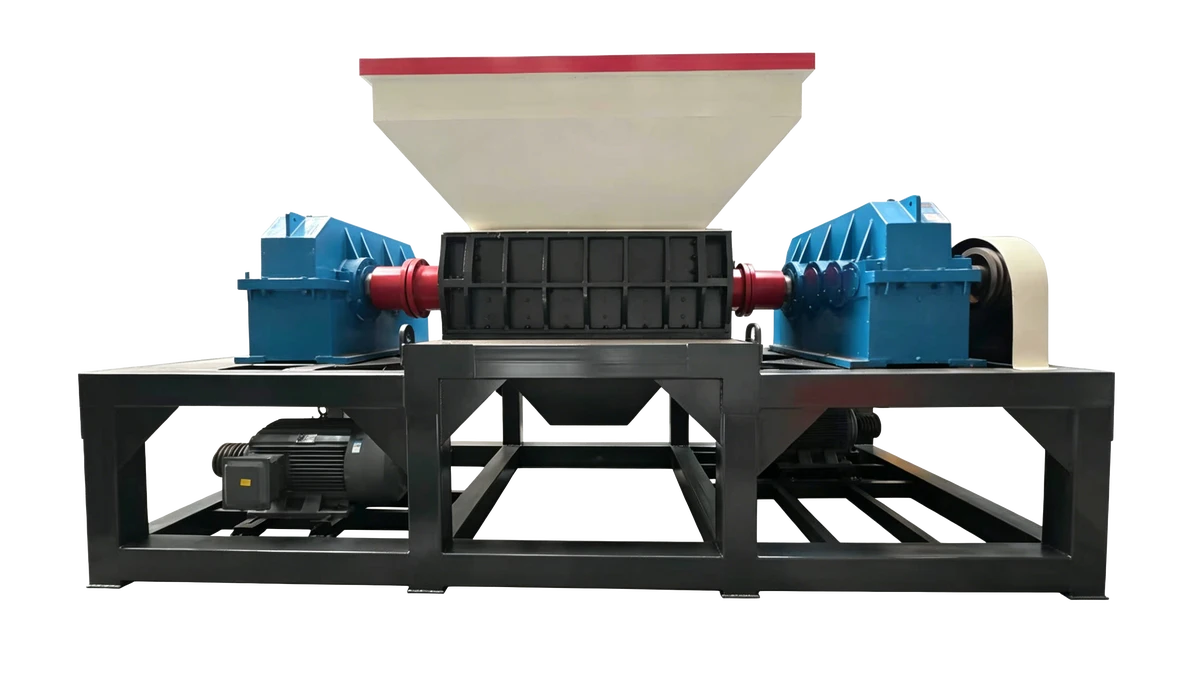
Whole tires are fed into a twin-shaft shredder (such as the JLTS Series) to reduce them into 50–100mm strips. This is the first and most critical step — it determines throughput and energy efficiency for the entire line.
Stage 2 — Tire Debeading
Steel beads on the tire rim are removed using a tire debeader. This step recovers high-quality steel scrap (currently valued at USD 350–420/ton) and prepares the rubber for further processing.
Stage 3 — Rasping / Granulation
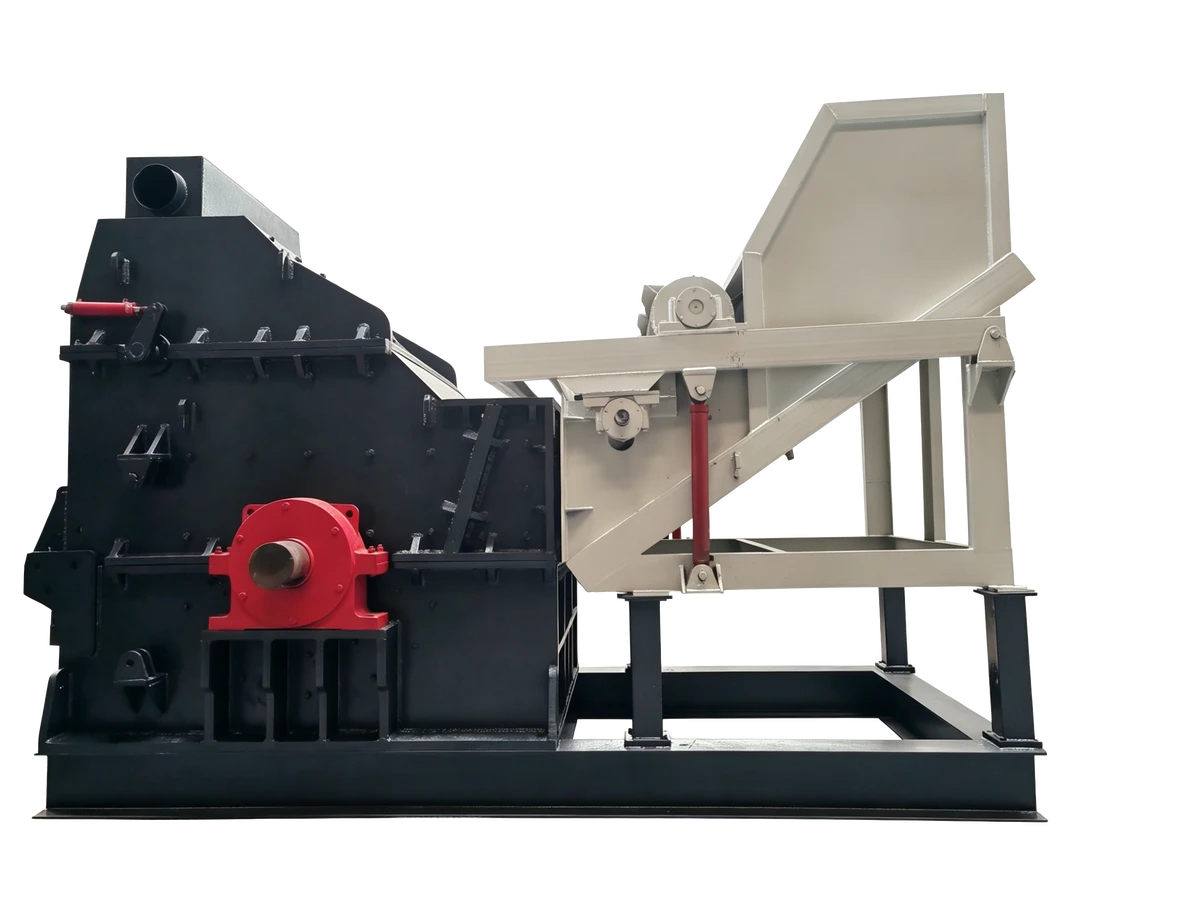
Rubber strips are fed into a tire rasper (granulator) to produce rubber granules in various sizes — from 10–30mm chips down to 30–80 mesh powder.
Stage 4 — Magnetic Separation & Fine Sieving
Steel fragments are removed by magnetic separators; impurities are filtered out through multi-layer trommel screens to produce clean, saleable rubber powder.
Profitability Breakdown
A typical 4–6 tons/hour tire recycling line in Southeast Asia generates multiple revenue streams:
| Product | Output/Hour | Unit Price (USD) | Revenue/Hour |
|---|---|---|---|
| Steel scrap (beads) | ~0.8 tons | $380/ton | ~$304 |
| Rubber granules (5–10mm) | ~2.5 tons | $220/ton | ~$550 |
| Fine rubber powder (40–80 mesh) | ~1.5 tons | $450/ton | ~$675 |
| Total hourly revenue | ~$1,529 |
Operating costs (electricity, labor, maintenance) typically run $180–280/hour, putting net profit margins at 35–50% for a well-run facility.
Why Southeast Asia Is the Right Place Right Now
Cheap labor reduces operating costs vs. Europe or North America Growing infrastructure projects (roads, sports facilities) create domestic demand for rubber powder Steel scrap export markets to China and India remain strong Government subsidies in several provinces cover 10–30% of equipment investment Import of ELTs is legally permitted in Vietnam and Thailand, allowing scale beyond domestic supply
Choosing the Right Equipment
Your tire recycling line is only as strong as its shredder. For Southeast Asian conditions — where mixed tire types (motorcycle, passenger car, OTR) are common — look for:
Twin-shaft shredder with hardened alloy blades and automatic overload protection Hydraulic push-feeder to handle irregular tire shapes without manual pre-cutting Modular design so you can expand capacity as demand grows Energy-efficient motor system (SIEMENS or ABB) to keep electricity costs low
HuaZhi’s JLTS Tire Recycling Line is engineered for Southeast Asian feed conditions, with configurations from 1 ton/hour to 8 tons/hour. Contact our team for a customized quote.
Conclusion
The waste tire recycling sector in Southeast Asia is no longer an emerging opportunity — it is a proven, profitable industry with strong policy support and growing demand across multiple end-product markets. For industrial investors looking to enter the circular economy, the window is now. With the right equipment, a clear sourcing strategy, and understanding of local regulations, a tire recycling plant in Vietnam, Thailand, or Indonesia can return ROI in 18–30 months. Ready to explore your options? Talk to HuaZhi Machinery — your trusted shredder manufacturer for the Southeast Asian market.
No comments yet. Be the first to share your thoughts!