


 English
 繁体中文
繁体中文 Bahasa Melayu
 Japanese
 Filipino
 Bahasa Indonesia
 Afrikaans
 Español
 简体中文
简体中文 Burmese
 Thai
Thai Tiếng Việt
The Pivotal Role of Heavy-Duty Metal Shredders in End-of-Life Vehicle and E-Waste Recycling
With the continuous growth of global vehicle ownership and the accelerating pace of electronic product upgrades, the processing of End-of-Life Vehicles (ELVs) and electronic waste (E-waste) has become a major environmental challenge for nations worldwide. Statistics indicate that approximately 27 million vehicles reach the end of their service life annually, while the volume of E-waste generated exceeds 50 million tons per year. Metal shredders play an indispensable, core role in the resource recovery process for these complex waste streams. This article provides an in-depth analysis of the current applications and technological trends of metal shredders in the recycling of ELVs and E-waste.
1. Working Principles and Technical Features of Metal Shredders
1.1. Working Principle
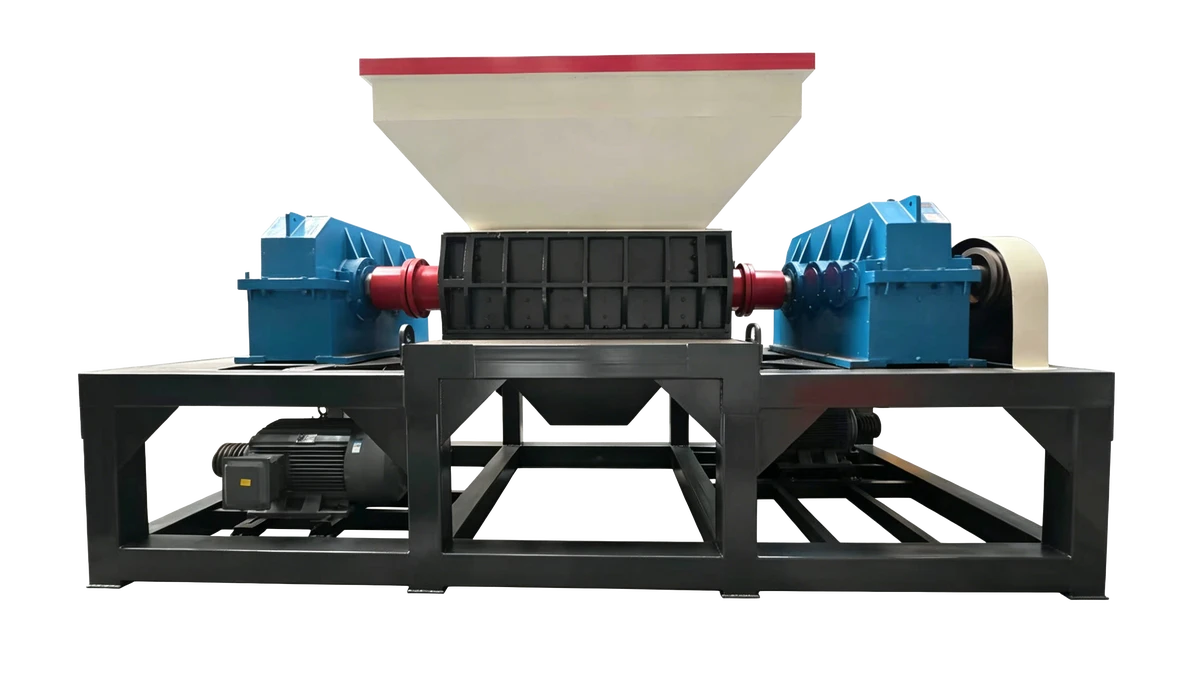
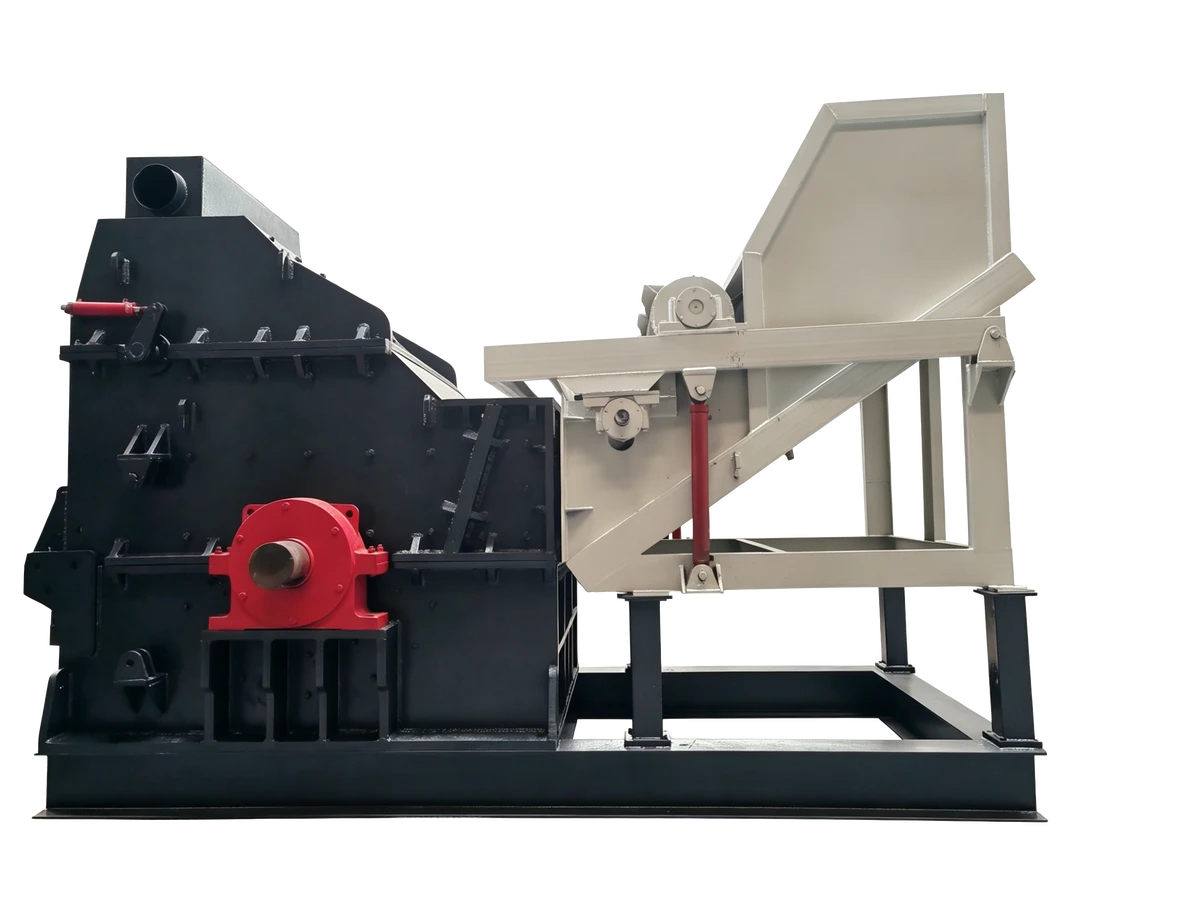
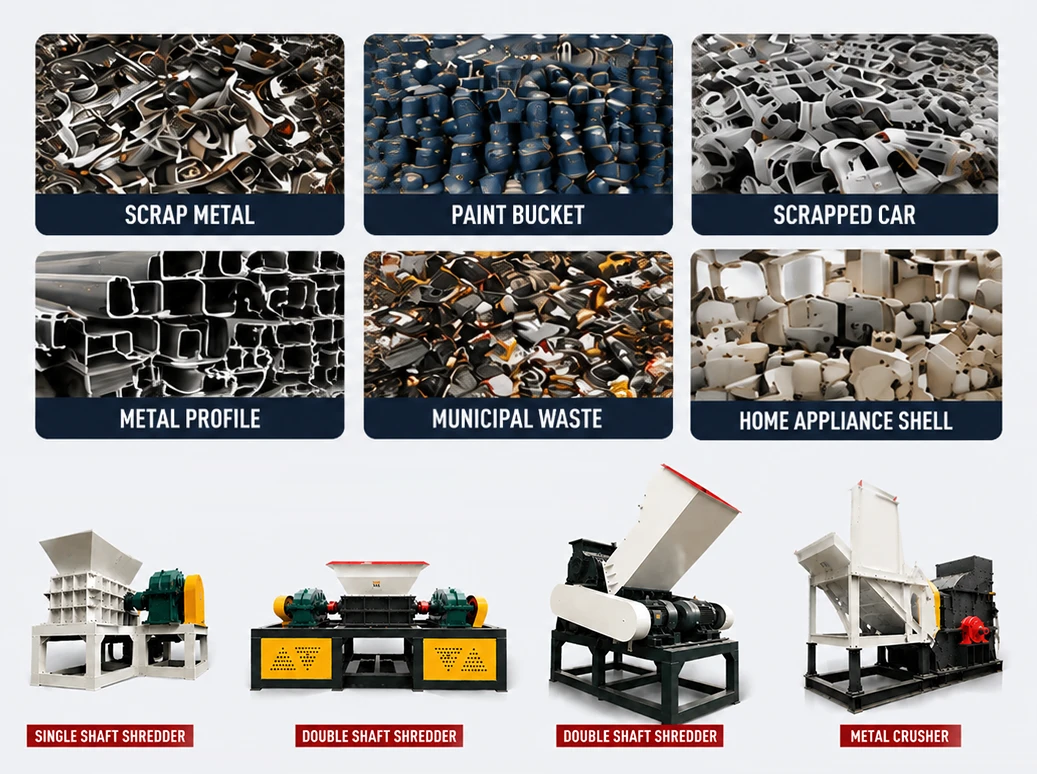
Metal shredders utilize the low-speed, high-torque rotation of dual-shaft or multi-shaft cutter rollers to shear, tear, and compress materials, reducing large pieces of scrap metal into smaller fragments suitable for downstream processing. Unlike crushers that rely on high-speed impact, shredders are better suited for handling tough, irregularly shaped materials such as car bodies, appliance casings, and cables.
1.2. Core Technical Features
Dual-Shaft/Quad-Shaft Cutter Design: Features high-strength alloy steel cutters with detachable, replaceable blades for an extended service life.
Hydraulic Drive System: Delivers stable, ultra-high torque output, capable of processing steel plates up to 20mm thick.
Intelligent Reversing Control: Automatically reverses direction upon encountering a jam to prevent equipment damage from overloading.
Noise Reduction Design: The machine body is encased in sound-insulating materials, keeping operating noise levels below 85 decibels. Huazhi Machinery’s heavy-duty metal shredder series incorporates a proprietary anti-tangling cutter shaft structure and an intelligent load-sensing system; when processing ELV bodies, a single unit can handle over 200 tons per day while producing uniformly sized, controllable output material.
2. Application of Shredders in End-of-Life Vehicle (ELV) Recycling
2.1. Final Processing After Dismantling
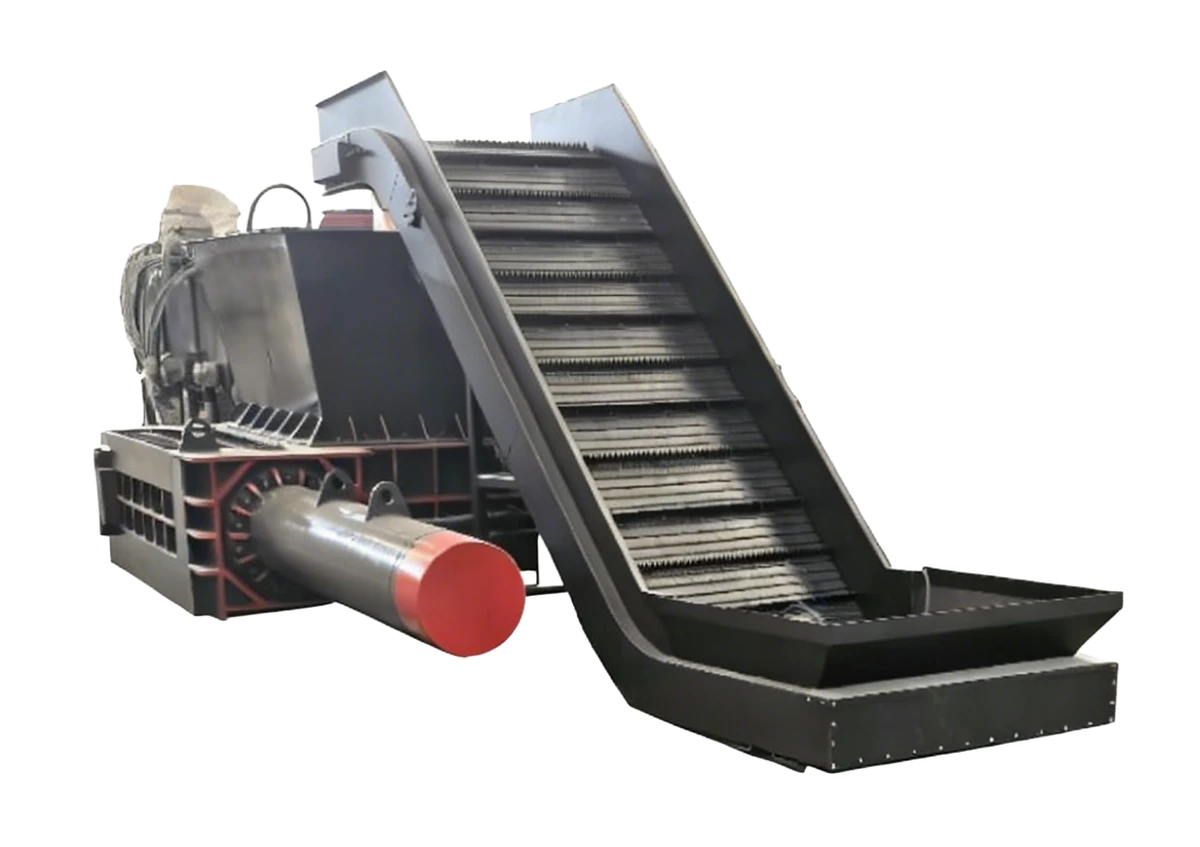
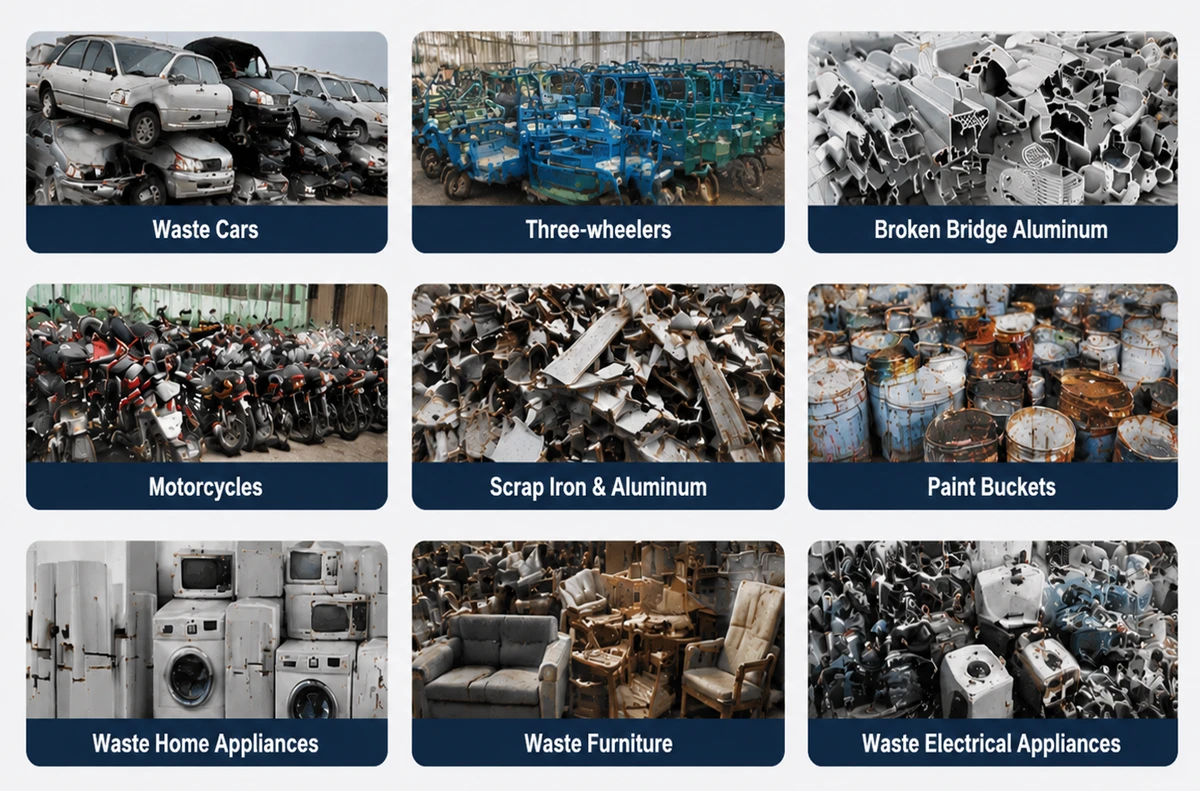
After undergoing pre-dismantling (removal of hazardous components such as batteries, tires, and fluids), the remaining vehicle bodies are fed into large-scale metal shredders. Modern vehicle bodies consist of various materials—including steel, aluminum, copper, and plastics. Shredding enables the efficient separation and recovery of these materials through subsequent processes such as magnetic separation, eddy current separation, and air classification.
2.2. Processing of Automotive Shredder Residue (ASR)
The residue generated after shredding and sorting—known as Automotive Shredder Residue (ASR)—still contains a certain proportion of metals and organic matter. When combined with advanced fine-sorting systems, next-generation metal shredders can boost metal recovery rates from ASR to over 95%. This significantly reduces the volume of material sent to landfills, ensuring compliance with EU regulations requiring an ELV recovery rate of at least 85%.
2.3. Case Applications
In Europe and North America, large-scale scrap metal recycling companies widely utilize heavy-duty metal shredders (ranging from 2,000 to 4,000 horsepower) to process end-of-life vehicles. Huazhi Machinery has provided comprehensive solutions to numerous domestic and international clients; its shredders reduce electricity consumption per ton of steel by 8–12% compared to similar products when processing mixed scrap, offering a distinct advantage in overall operating costs.
3. Application of Shredders in Electronic Waste (E-waste) Recycling
3.1. Efficient Processing of Complex Materials
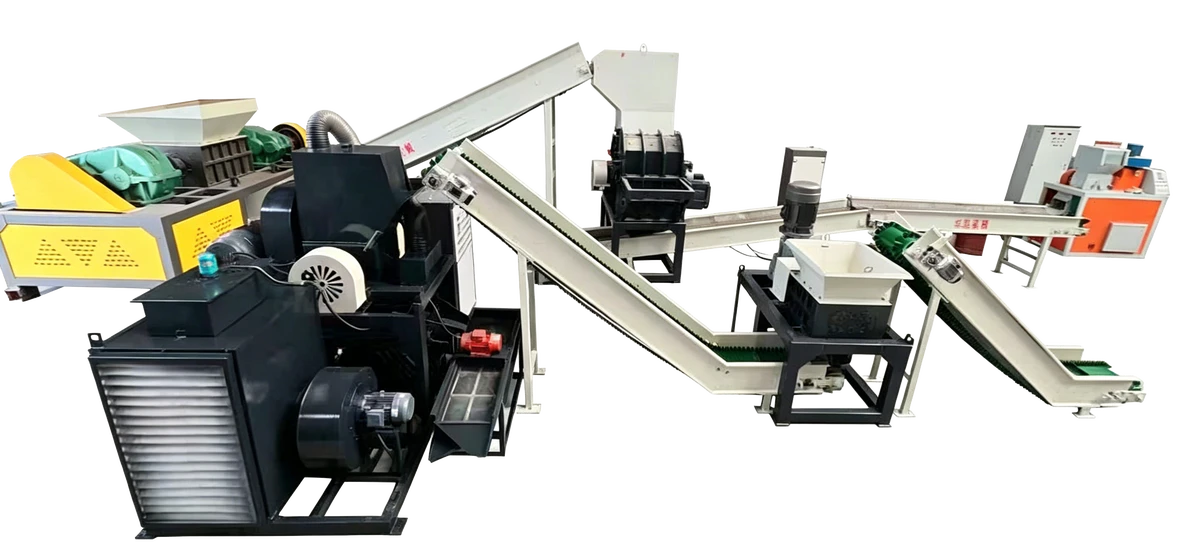
Electronic waste comprises complex components—such as circuit boards, casings, wiring, and batteries—and contains precious metals like gold, silver, copper, and palladium. Serving as a pre-treatment step, metal shredders reduce e-waste to an optimal particle size, facilitating subsequent physical separation and chemical extraction processes.
3.2. Safety and Environmental Requirements
Electronic waste contains hazardous substances such as lead, mercury, and cadmium, necessitating high standards for equipment sealing and safety. Modern metal shredders are equipped with dust collection systems and negative-pressure sealing mechanisms to ensure the processing operation meets environmental emission standards. Huazhi Machinery’s eco-friendly shredders feature a fully enclosed design and a high-efficiency dust removal system, meeting the strictest environmental regulations. ### 3. Improving Precious Metal Recovery Rates: Precise control of shredding particle size is key to maximizing precious metal recovery. By adjusting the cutter shaft speed and discharge screen aperture, selective shredding of different materials can be achieved, thereby maximizing the recovery value of precious metals.
4. Key Factors in Selecting a Metal Shredder
4.1. Material Compatibility: Different materials impose vastly different requirements on shredders. Processing scrap automobiles requires heavy-duty equipment with high torque and strength, whereas processing electronic waste demands finer control and enhanced safety features. Users should select a model suited to the primary type of material being processed.
4.2. Blade Material and Lifespan: Blades are the most critical wear parts of a shredder. High-quality alloy tool steel blades, combined with optimized heat treatment processes, can extend blade lifespan by 30–50%. Huazhi Machinery utilizes imported mold steel and vacuum heat treatment processes, achieving industry-leading blade longevity.
4.3. Level of Automation: Modern shredders should feature automatic feed control, current load monitoring, and equipment status diagnostics to minimize manual intervention and enhance operational safety.
5. Industry Trends
5.1. Scaling Up and Consolidation: The scrap metal recycling industry is moving toward consolidation. The processing capacity of individual shredders is steadily increasing, with ultra-large shredders exceeding 4,000 horsepower becoming the mainstream choice.
5.2. Intelligent Operations and Maintenance: 5G and Industrial Internet technologies are transforming equipment maintenance models. Real-time data acquisition and AI analysis enable fault prediction and the optimization of operating parameters, significantly boosting overall equipment efficiency.
5.3. Green Development: Low noise, low dust emissions, and low energy consumption are key priorities for product upgrades. The industry is also exploring the replacement of hydraulic drives with electric drive systems to further reduce carbon emissions.
No comments yet. Be the first to share your thoughts!