


 Español
 Inglés
 Traditional Chinese
 Bahasa Melayu
 Japonés
 Filipino
 Indonesio
 Afrikáns
 Chino simplificado
 Birmano
 Tailandés
 Tailandés
在当今社会,废电缆的回收利用已经成为环境保护和资源循环利用的重要议题。电缆中的金属铜或铝具有回收价值,并且有多种回收方式,但如果处理不当,将再次造成环境污染。本文将介绍一种环保的电缆回收方法,并探讨如何通过电缆撕碎机回收金属铜。
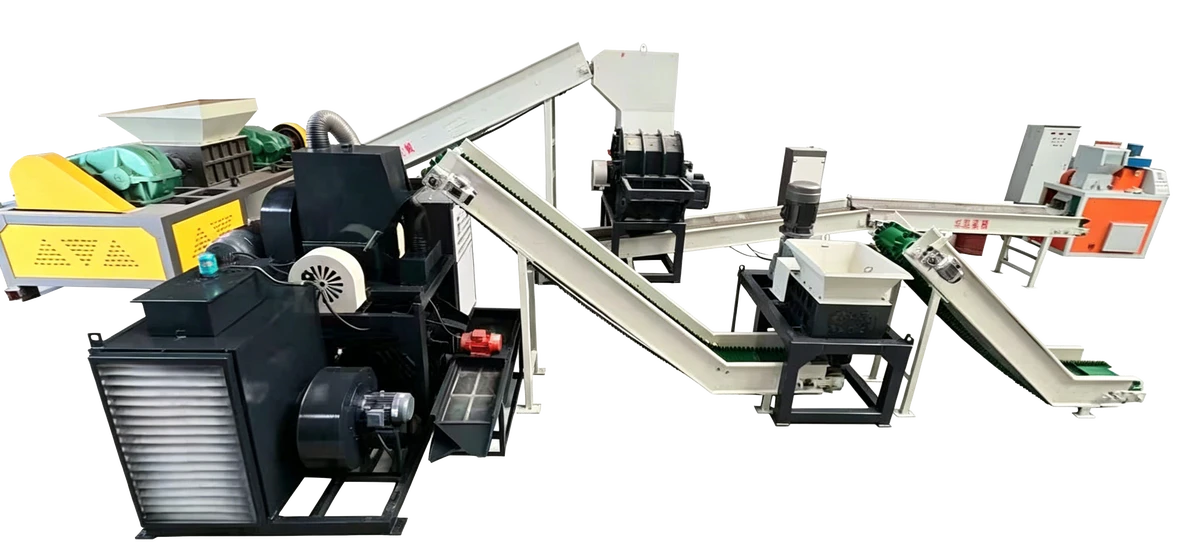
Los cables suelen consistir en aislamiento externo, aislamiento interno y alambres metálicos, y la mayoría del material aislante es plástico. El cortacables puede separar completamente la capa de aislamiento y el metal, y el proceso de reciclaje incluye trituración primaria, separación magnética, trituración secundaria, clasificación por gravedad, embalaje, etc., en el que se pueden reciclar y reutilizar materiales metálicos valiosos como el cobre y el aluminio después de la separación y clasificación.
Proceso 1: Desmenuzador de cables para desmenuzamiento primario
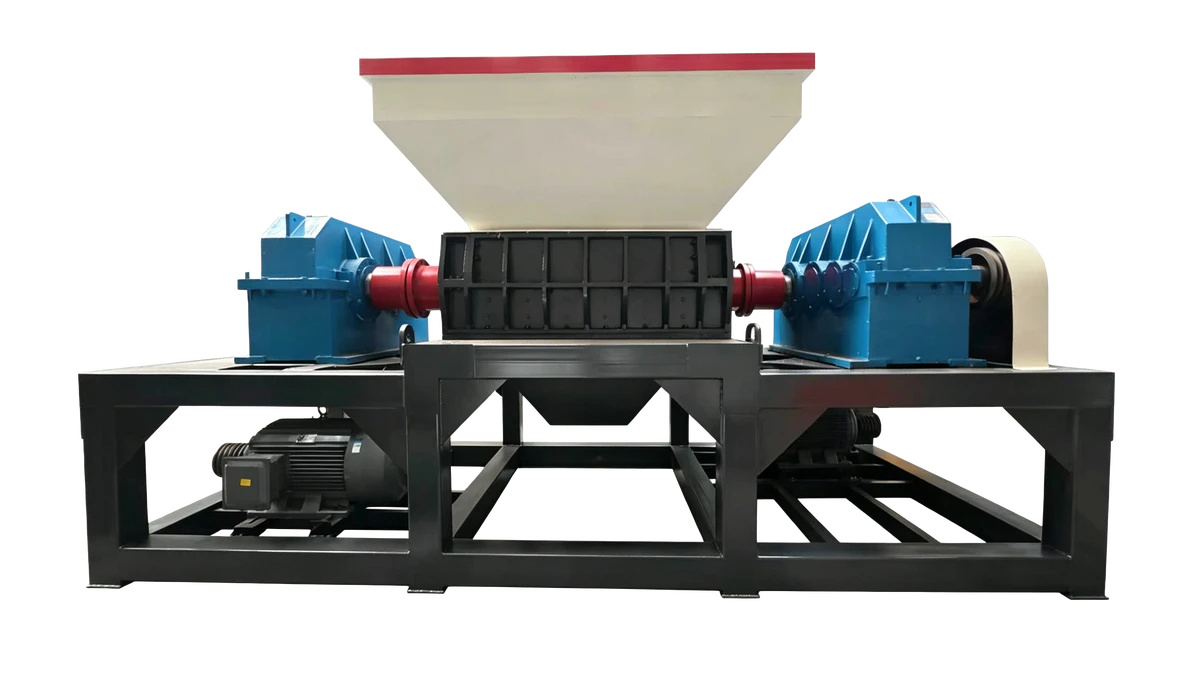
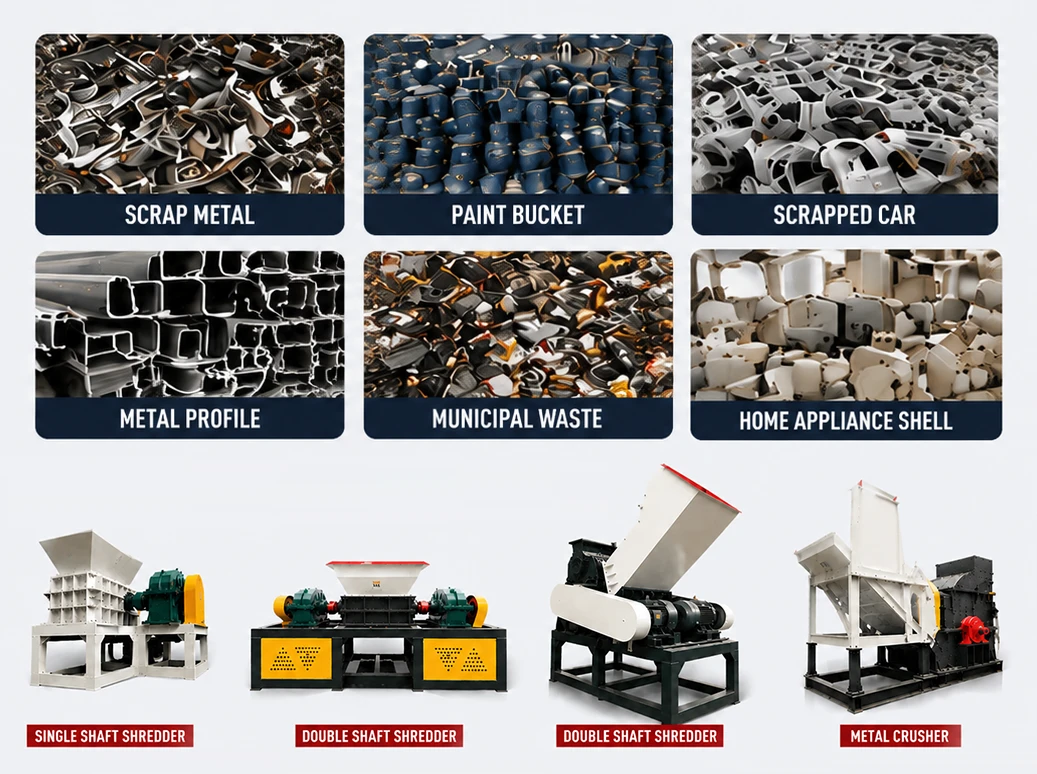
Primero, el cable desperdiciado se coloca en el triturador para la primera trituración, el triturador de cable puede triturar el material hasta 15mm, este proceso se puede realizar mediante el triturador de eje simple como la serie V o BH.
The V series single shaft shredders are low to medium speed, high torque shredding machines with a wide range of applications. The shredded material can be sold as raw material or processed by other equipment to produce other products.
El triturador de una sola palanca de la serie BH es un equipo de trituración a gran escala, adecuado para la producción en alta escala de trituración y trituración de varios materiales. La máquina está equipada con tolva de gran capacidad, tolva de trituración y dispositivo de empuje hidráulico de alta eficiencia para maximizar la entrega de su superioridad en la trituración de materiales de alta dureza y gran tamaño.
Proceso 2: Separación magnética y trituración secundaria
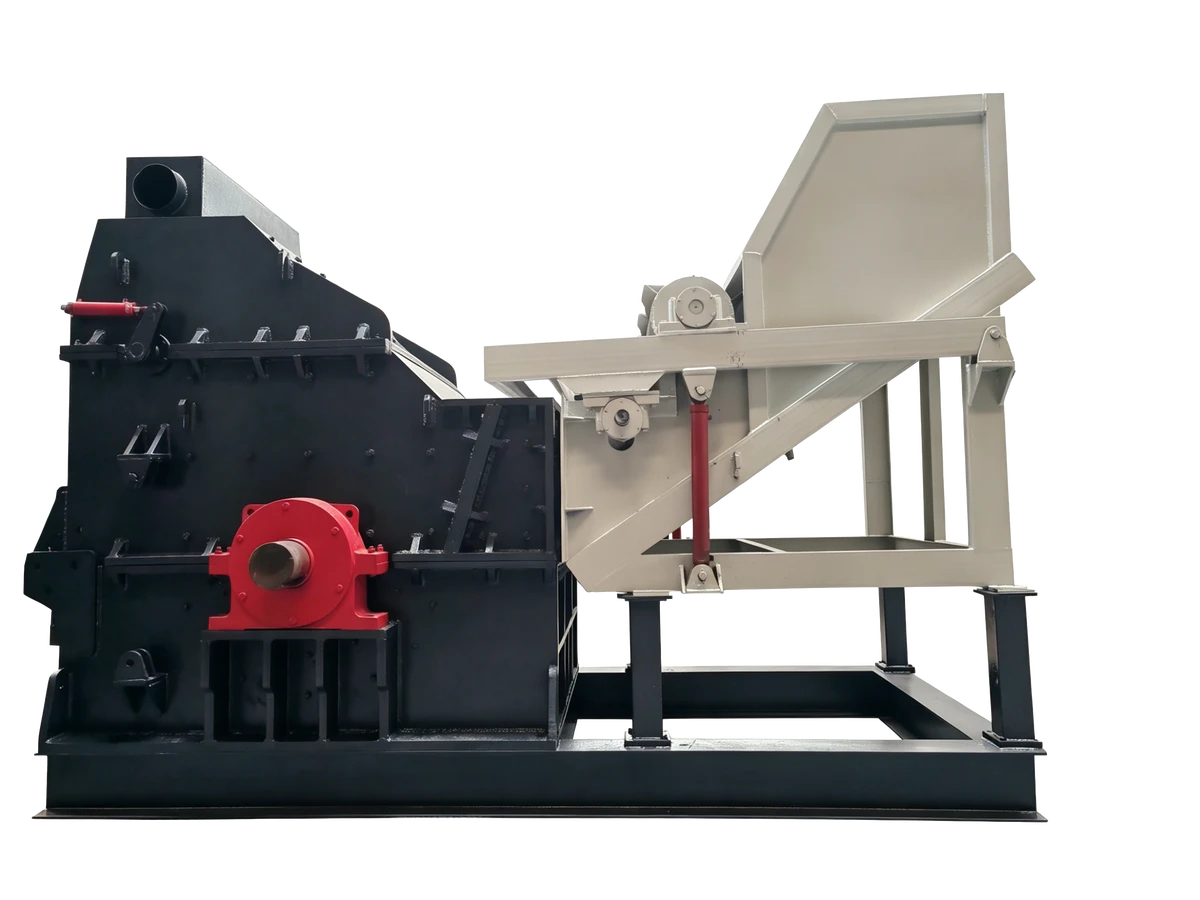
After the waste cable is shredded by the single-shaft shredder at the first level, it enters the magnetic separator through the conveyor belt to remove the iron in the material, and then sends it to the crusher for the second level crushing. This process is generally handled by GC series crusher. The GC Series Crushers are ideally suited for processing a wide range of materials including plastics, rubber, fibers, copper cables and light non-ferrous metals.
El uso de propulsores giratorios a alta velocidad para cortar, combinado con tamices de apertura más pequeña, puede cortar cables en partículas pequeñas de aproximadamente 3 mm.
Proceso 3: Separación por gravedad
After two shredding processes, the waste cables have been completely crushed and the metal copper and plastic have been completely separated, but they are still mixed together. In order to separate these two different materials, next, they will be air-fed to the gravity sorter. Due to the different weights of the copper and the plastic, the wind sorting allows them to be completely separated and then collected and packaged separately. The final separated copper has a purity of up to 99.5%. The recovered copper can be reused to make new cables or other products. This whole process of waste cable recycling is environmentally friendly and efficient.
Cuerpo cable reciéndola: una discusión detallada
Resumen ejecutivo
Resumen de este artículo, por favor espere…
Deja un Comentario
¡Nos encantaría escuchar tus pensamientos! Por favor, comparte tus comentarios a continuación.
Aún no hay comentarios. ¡Sé el primero en compartir tus pensamientos!